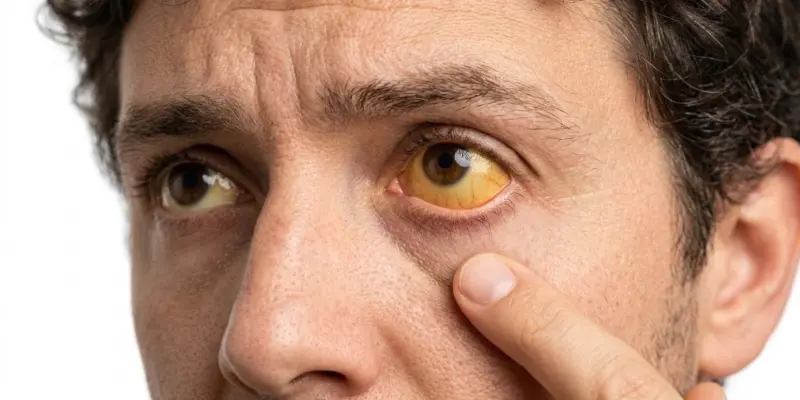
Jaundice
Jaundice is a yellowing of the skin, eyes, or mucous membranes caused by a buildup of bilirubin in the blood. Bilirubin is a yellow pigment produced when the body breaks down red blood cells. Jaundice is not a disease itself. It is a sign that something may be affecting the liver, gallbladder, bile ducts, pancreas, or the normal breakdown of red blood cells. Treatment depends on the underlying cause.
Quick Facts
- Jaundice causes yellowing of the skin and the whites of the eyes.
- It occurs when bilirubin builds up in the bloodstream.
- Jaundice can be caused by liver disease, gallstones, bile duct blockage, infection, or blood disorders.
- Dark urine and pale stools may occur along with yellowing.
- Jaundice in adults should be evaluated because it may indicate an underlying medical condition.
- Treatment focuses on identifying and treating the cause rather than the yellowing itself.
Symptoms
Common signs and symptoms associated with jaundice may include:
- Yellowing of the skin or whites of the eyes
- Dark-colored urine
- Pale or clay-colored stools
- Itching
- Fatigue or weakness
- Nausea or loss of appetite
- Abdominal pain, depending on the underlying cause
Symptoms vary depending on what is causing the bilirubin buildup.
Causes
Jaundice can develop when the body produces too much bilirubin, when the liver cannot process it properly, or when bile cannot drain normally.
Possible causes include:
- Liver conditions, such as hepatitis, cirrhosis, or other forms of liver disease
- Gallstones or bile duct obstruction
- Pancreatic or gallbladder conditions that block bile flow
- Certain blood disorders that cause increased breakdown of red blood cells
- Certain medications or toxins
- Inherited conditions that affect bilirubin processing
Risk Factors
Factors that may increase the likelihood of developing a condition associated with jaundice include:
- History of liver disease
- Hepatitis or other liver infections
- Gallstones or previous gallbladder problems
- Heavy alcohol use
- Certain medications or supplements that affect the liver
- Blood disorders that increase red blood cell breakdown
- Family history of inherited liver or bilirubin disorders
The presence of these risk factors does not necessarily mean someone will develop jaundice.
Treatments
Treatment for jaundice depends entirely on the underlying cause.
- Treatment of liver disease or infection, which may include medication, monitoring, or management of the underlying liver condition
- Removal of a bile duct blockage, such as treatment for a gallstone obstructing bile flow
- Treatment of blood or medication-related causes, including addressing excessive red blood cell breakdown or adjusting medications when appropriate
Some people may need additional supportive treatment depending on the severity and cause of their symptoms.
When to Seek Care
Jaundice in an adult should be evaluated by a healthcare provider, such as primary care provider, pediatrician, or gastroenterologist, particularly if yellowing appears suddenly or is accompanied by other symptoms.
Seek medical care if you notice:
- Yellowing of the skin or whites of the eyes
- Dark urine or pale stools
- Persistent abdominal pain
- Nausea, vomiting, or loss of appetite
- Unexplained fatigue or weakness
- Persistent itching
Seek prompt or emergency medical care if jaundice occurs with severe abdominal pain, fever, confusion, persistent vomiting, significant weakness, or rapidly worsening symptoms.