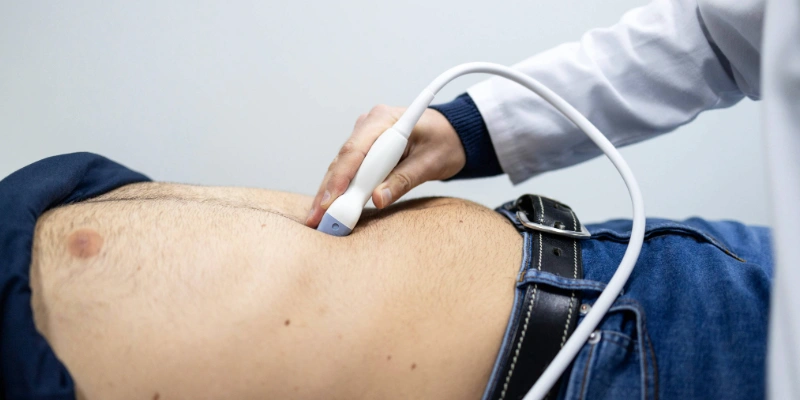
Liver Disease
Liver disease refers to a range of conditions that affect the liver’s ability to function properly. The liver plays a key role in filtering toxins, processing nutrients, and supporting metabolism. When it becomes damaged, it can lead to serious health complications over time.
Quick Facts
- Liver disease includes a range of conditions that affect liver function
- Fatty liver disease is the most common type of liver disease
- Nonalcoholic fatty liver disease (NAFLD) occurs in people who drink little or no alcohol
- Liver disease can develop gradually and may have no early symptoms
- Common risk factors include obesity, diabetes, and high cholesterol
- Early detection and lifestyle changes can help prevent progression
Symptoms
Common symptoms of liver disease include:
- Fatigue or weakness
- Yellowing of the skin or eyes (jaundice)
- Abdominal pain or swelling
Other symptoms may include nausea, dark urine, or loss of appetite.
Causes
Liver disease can result from several underlying conditions.
Common causes include:
- Fat accumulation in the liver (fatty liver disease)
- Alcohol-related liver damage
- Viral infections such as hepatitis
- Certain medications or toxins
- Metabolic conditions
Risk Factors
You may be at higher risk for liver disease if you:
- Are overweight or obese
- Have diabetes or insulin resistance
- Have high cholesterol
- Drink alcohol regularly
- Have a family history of liver disease
Treatments
Treatment depends on the underlying cause and severity.
Common treatment approaches include:
- Lifestyle changes such as weight management, diet, and exercise
- Managing underlying conditions like diabetes and high cholesterol
- Avoiding alcohol or liver-damaging substances
More advanced treatments may be needed for severe or progressive liver disease.
When to Seek Care
See a healthcare provider if you experience symptoms such as persistent fatigue, abdominal pain, or jaundice. You should also seek care if you have risk factors like diabetes, high cholesterol, or obesity, even without symptoms.