
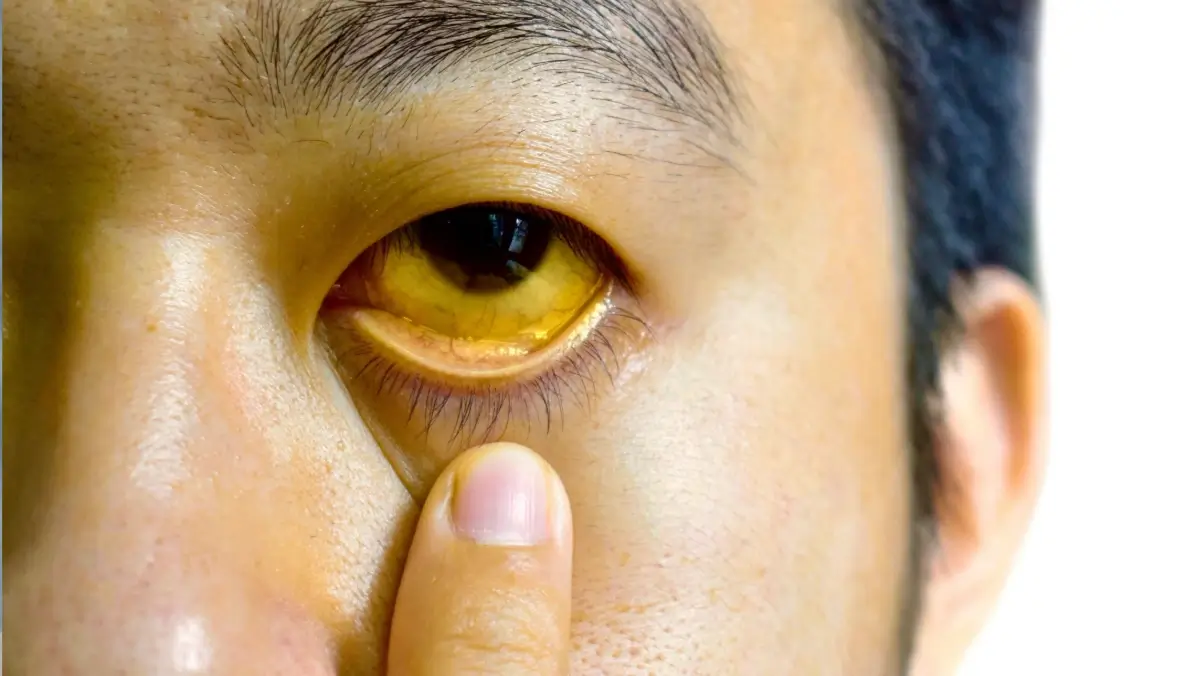
Yellow Eyes: What Causes Them and When to Worry
Noticing yellow eyes can be alarming. In most cases, yellowing of the whites of the eyes is a sign of jaundice, a condition caused by a buildup of bilirubin in the blood.
Your liver normally processes bilirubin and removes it from the body. When that process slows down or becomes blocked, bilirubin can accumulate and cause a yellow tint in the eyes and sometimes the skin.
What Do Yellow Eyes Mean?
Yellow eyes usually indicate that something is affecting how your liver, gallbladder, or blood cells are functioning.
Jaundice itself is not a disease. It is a symptom of an underlying issue that needs to be identified.
Common Causes of Yellow Eyes
Several conditions can lead to yellowing of the eyes:
- Liver conditions such as hepatitis, cirrhosis, or liver disease
- Gallstones or bile duct blockages that prevent bile from draining properly
- Hemolysis, when red blood cells break down too quickly
- Infections that affect liver function
- Medication-related liver effects
- Newborn jaundice, which is common and often temporary in infants
Other Symptoms That May Occur
Yellow eyes are often accompanied by other symptoms, depending on the cause:
- Dark urine
- Pale or clay-colored stools
- Itchy skin
- Abdominal pain or swelling
- Nausea or vomiting
- Fatigue or weakness
- Unexplained weight loss
Can Yellow Eyes Be Caused by Something Minor?
Some people wonder if yellow eyes can come from dehydration, lack of sleep, or diet.
In most cases, no. True yellowing of the eyes is usually related to bilirubin buildup and should be evaluated by a healthcare provider.
When to See a Doctor for Yellow Eyes
You should not ignore yellowing of the eyes. Even if symptoms seem mild, it is important to identify the cause early.
Seek medical care if you notice:
- Sudden yellowing of the eyes or skin
- Pain in the upper abdomen
- Fever along with yellowing
- Confusion or changes in alertness
- Symptoms that are getting worse
How Doctors Evaluate Yellow Eyes
A provider will look for the underlying cause of jaundice using:
- Blood tests, including liver function tests
- Imaging tests such as ultrasound, CT scan, or MRI
- Urine tests in some cases
These tests help determine whether the issue is related to the liver, bile ducts, or blood cells.
Treatment for Yellow Eyes
Treatment depends on what is causing the bilirubin buildup.
Options may include:
- Adjusting or stopping certain medications
- Treating infections or liver conditions
- Procedures to remove gallstones or relieve bile duct blockages
- Lifestyle changes to support liver health
Some mild cases may improve on their own, but many require targeted treatment.
The Bottom Line
Yellow eyes are a visible sign that something may be affecting your liver or bile ducts. While the cause is not always serious, it should never be ignored.
If you notice yellowing in your eyes, a medical evaluation can help identify the cause and guide appropriate treatment.
Schedule an appointment with a BASS Medical Group provider to get answers and next steps.
Frequently Asked Questions
What does it mean if the whites of my eyes are yellow?
Yellowing of the whites of the eyes is usually a sign of jaundice, which is caused by a buildup of bilirubin in the blood.
Are yellow eyes always serious?
Not always, but they can indicate a serious underlying condition. It is important to get evaluated.
Can dehydration cause yellow eyes?
No. Dehydration does not typically cause true yellowing of the eyes.
How quickly should I see a doctor?
As soon as possible. Yellow eyes are not considered normal and should be checked promptly.

.webp)
.webp)
.webp)