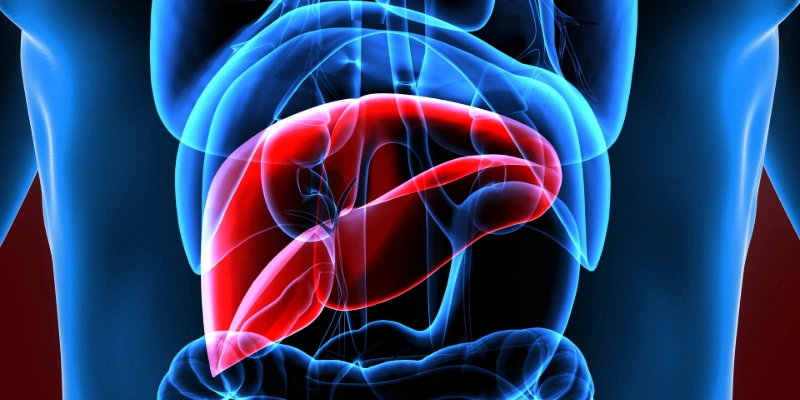
Cirrhosis
Cirrhosis is a chronic liver disease that occurs when healthy liver tissue is gradually replaced by scar tissue. As scarring progresses, the liver becomes less able to perform essential functions such as filtering toxins, producing proteins, and helping with digestion. Cirrhosis often develops over many years and can result from conditions such as chronic hepatitis, alcohol-related liver disease, or nonalcoholic fatty liver disease (NAFLD). Early diagnosis and treatment may help slow disease progression and reduce the risk of complications.
Quick Facts
- Cirrhosis is advanced scarring of the liver
- It develops gradually over time
- Common causes include chronic liver disease and long-term liver damage
- Early stages may cause few or no symptoms
- Advanced cirrhosis can lead to serious complications
- Treatment focuses on managing the underlying cause and preventing further liver damage
Symptoms
Early cirrhosis may not cause noticeable symptoms.
As the condition progresses, symptoms may include:
- Fatigue
- Weakness
- Loss of appetite
- Unexplained weight loss
- Nausea
- Abdominal discomfort
Advanced cirrhosis may cause:
- Swelling in the abdomen (ascites)
- Swelling in the legs and ankles
- Jaundice (yellowing of the skin and eyes)
- Easy bruising or bleeding
- Itchy skin
- Confusion or memory problems (hepatic encephalopathy)
Symptoms can sometimes be mistaken for other liver, digestive, or metabolic conditions.
Causes
Cirrhosis develops when repeated liver injury leads to ongoing inflammation and scarring.
Common causes include:
- Chronic hepatitis B infection
- Chronic hepatitis C infection
- Alcohol-related liver disease
- Nonalcoholic fatty liver disease (NAFLD)
- Nonalcoholic steatohepatitis (NASH)
- Autoimmune hepatitis
- Certain inherited liver disorders
- Chronic bile duct diseases
Risk Factors
You may be at higher risk if you:
- Have chronic hepatitis B or C
- Drink excessive amounts of alcohol
- Have obesity or metabolic syndrome
- Have type 2 diabetes
- Have fatty liver disease
- Have a family history of liver disease
- Have certain autoimmune or genetic conditions
Treatments
Diagnosis typically involves a combination of medical history, physical examination, laboratory testing, and imaging studies.
Diagnostic testing may include:
- Liver function blood tests
- Ultrasound
- CT scan
- MRI
- FibroScan® liver stiffness testing
- Liver biopsy in selected cases
Treatment focuses on slowing disease progression, managing symptoms, and preventing complications.
Treatment options may include:
- Managing the underlying liver condition
- Medications to address complications
- Lifestyle modifications, including avoiding alcohol
- Weight management and metabolic health improvement
- Monitoring for liver cancer and other complications
- Liver transplantation for advanced disease
Recovery and Management Timeline
Liver scarring from cirrhosis is generally permanent. However, early diagnosis and treatment can help slow or stop further damage.
Many patients successfully manage cirrhosis for years with ongoing medical care, lifestyle changes, and regular monitoring.
Routine follow-up is important to detect complications and assess liver function.
Possible Complications
Without treatment, cirrhosis can lead to serious complications, including:
- Portal hypertension
- Ascites
- Esophageal varices
- Internal bleeding
- Hepatic encephalopathy
- Liver failure
- Increased risk of liver cancer
When to Seek Care
Seek care from a primary care physician, gastroenterologist, or hepatology specialist if you experience:
- Persistent fatigue
- Yellowing of the skin or eyes
- Unexplained weight loss
- Abdominal swelling
- Chronic liver disease symptoms
- Abnormal liver test results
Seek immediate medical attention if you experience:
- Vomiting blood
- Black or bloody stools
- Severe confusion
- Difficulty breathing
- Severe abdominal swelling or pain