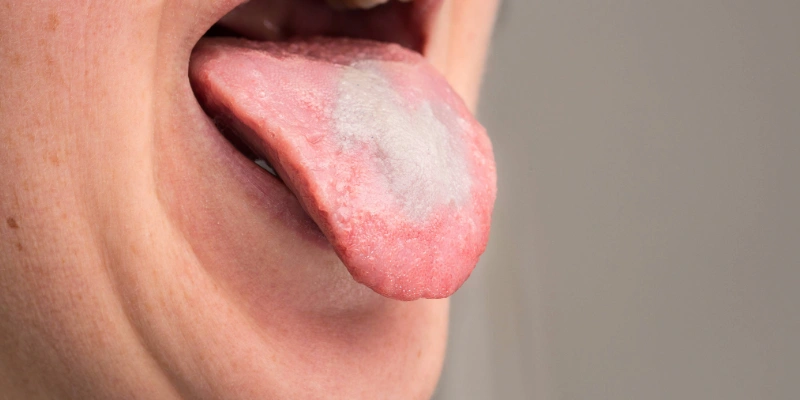
Fungal Infections
Fungal infections occur when fungi grow excessively on the skin, nails, or mucous membranes. They are common and often affect areas of the body that are warm or moist, such as the feet, groin, or under the breasts.
Quick Facts
- Common types include athlete’s foot and yeast infections
- Thrive in warm, damp environments
- Can spread through direct contact or shared surfaces
- Often treatable with antifungal medications
- Recurrence is possible without proper care
Symptoms
Symptoms can vary depending on the location, but commonly include:
- Itching or irritation
- Red, scaly, or cracked skin
- Peeling or flaking
In some cases, the affected area may burn, sting, or develop small blisters. Fungal infections can sometimes be confused with eczema, hives, or other skin conditions.
Causes
Fungal infections develop when fungi multiply in conditions that support their growth.
Common causes include:
- Excess moisture from sweating
- Wearing tight or non-breathable clothing
- Walking barefoot in shared areas such as locker rooms
- Weakened immune system
Fungi are naturally present on the skin, but overgrowth can occur when the balance is disrupted. While fungal infections may look similar to bacterial skin infections, they are caused by different types of organisms and require different treatments. Antibiotics used for bacterial infections do not work against fungal infections, which is why antifungal medications are needed.
Risk Factors
You may be at higher risk if you:
- Sweat frequently or have prolonged moisture exposure
- Wear tight shoes or clothing
- Have diabetes
- Use public showers or gyms
- Have a weakened immune system
Certain environmental exposures can also increase risk for fungal infections. For example, Valley fever (coccidioidomycosis) is a fungal infection caused by inhaling spores found in soil, particularly in regions like California and the Southwest. This type of infection affects the lungs rather than the skin.
Treatments
Treatment depends on the type and severity of the infection.
Mild infections are often treated with over-the-counter antifungal creams or powders. Keeping the affected area clean and dry is essential for recovery and prevention.
For more persistent or widespread infections, prescription medications, including oral antifungals, may be needed.
Preventing recurrence is an important part of treatment, especially in areas prone to moisture.
When to Seek Care
See your primary care provider if the infection is spreading, painful, or not improving with over-the-counter treatment. You should also seek care if infections recur frequently or if you have an underlying condition such as diabetes.