Crohn’s Disease
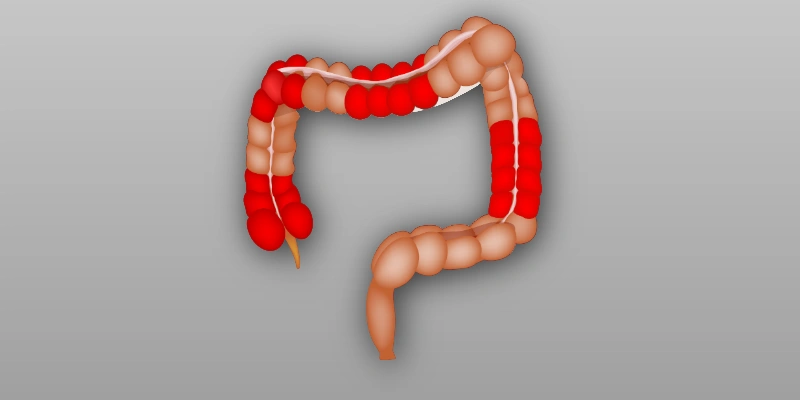
Crohn’s disease is a chronic inflammatory bowel disease (IBD) that causes inflammation anywhere along the digestive tract, most commonly in the small intestine and colon. The inflammation can extend deep into the intestinal walls and may occur in patches. Crohn’s disease is a lifelong condition that often involves periods of flare-ups and remission.
Quick Facts
- A type of inflammatory bowel disease (IBD)
- Can affect any part of the digestive tract
- Causes inflammation that may extend deep into tissue
- Symptoms can come and go (flares and remission)
- It is a chronic condition that requires ongoing management
- Considered an immune-mediated condition, where the immune system reacts abnormally in the gut, rather than a classic autoimmune disease
Symptoms
Symptoms can vary depending on the area affected but commonly include:
- Abdominal pain and cramping
- Diarrhea (sometimes persistent)
- Fatigue
Other symptoms may include weight loss, loss of appetite, anemia, or fever. Some people may also develop complications such as fistulas or inflammation outside the digestive tract.
Crohn’s disease can sometimes be confused with irritable bowel syndrome (IBS), infections, or ulcerative colitis.
Causes
The exact cause of Crohn’s disease is not fully understood. It is believed to involve a combination of immune system dysfunction, genetics, and environmental factors.
The immune system may mistakenly attack the digestive tract, leading to chronic inflammation.
Risk Factors
You may be at higher risk if you:
- Have a family history of IBD
- Are a young adult (often diagnosed before age 30)
- Smoke
- Live in urban or industrialized areas
Treatments
Treatment focuses on reducing inflammation, managing symptoms, and maintaining remission.
Medications such as anti-inflammatory drugs, immune system suppressors, and biologic therapies are commonly used. Nutritional support and dietary adjustments may also help manage symptoms.
In some cases, surgery may be needed to remove damaged portions of the digestive tract.
Recovery and management timeline
Crohn’s disease is a lifelong condition. While symptoms can improve with treatment, ongoing management is typically needed to prevent flare-ups.
When to Seek Care
See a healthcare provider if you have persistent diarrhea, abdominal pain, unexplained weight loss, or symptoms that interfere with daily life. Early diagnosis and treatment can help prevent complications. If symptoms are significantly affecting your quality of life, start with your primary care provider, who can evaluate your condition and refer you to a specialist such as a gastroenterologist or colon and rectal surgeon if needed.