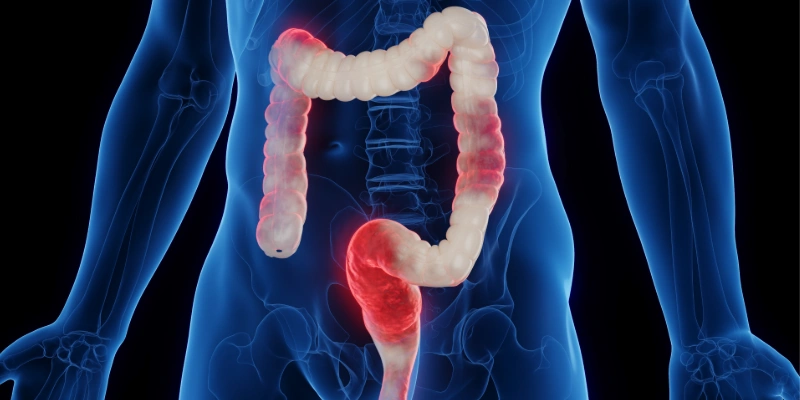
Ulcerative Colitis (UC)
Ulcerative colitis is a chronic inflammatory bowel disease (IBD) that causes inflammation and ulcers in the lining of the colon (large intestine). Unlike Crohn’s disease, it affects only the colon and rectum and involves continuous inflammation. Ulcerative colitis is a lifelong condition that typically involves periods of flare-ups and remission.
Quick Facts
- A type of inflammatory bowel disease (IBD)
- Affects only the colon and rectum
- Causes continuous inflammation of the intestinal lining
- Symptoms often occur in cycles (flare and remission)
- It is a chronic condition requiring ongoing management
Symptoms
Common symptoms include:
- Diarrhea, often with blood or mucus
- Abdominal pain and cramping
- Urgency to have bowel movements
Other symptoms may include fatigue, weight loss, or anemia. Some people may experience symptoms outside the digestive tract, such as joint pain or skin changes.
Ulcerative colitis can sometimes be confused with Crohn’s disease, infections, or IBS.
Causes
The exact cause is not fully understood, but ulcerative colitis is believed to result from an abnormal immune response that causes inflammation in the colon.
Genetic and environmental factors may also play a role.
Risk Factors
You may be at higher risk if you:
- Have a family history of ulcerative colitis
- Are a young adult
- Have certain genetic factors
- Live in developed regions
- Long-standing inflammatory bowel disease may increase the risk of colorectal (colon) cancer over time
Treatments
Colonoscopy is commonly used to diagnose and monitor the condition, helping assess inflammation and screen for complications such as colorectal cancer.
Treatment focuses on reducing inflammation, controlling symptoms, and maintaining remission.
Medications may include anti-inflammatory drugs, immune system suppressors, or biologic therapies. Dietary adjustments and supportive care may also help.
In severe cases, surgery to remove the colon may be considered and can be curative for ulcerative colitis.
Recovery and management timeline
Ulcerative colitis is a chronic condition, but many people achieve long periods of remission with proper treatment.
When to Seek Care
Seek care from a primary care doctor, gastroenterologist, or colorectal surgeon if you experience persistent diarrhea, blood in the stool, abdominal pain, or symptoms that worsen or do not improve.