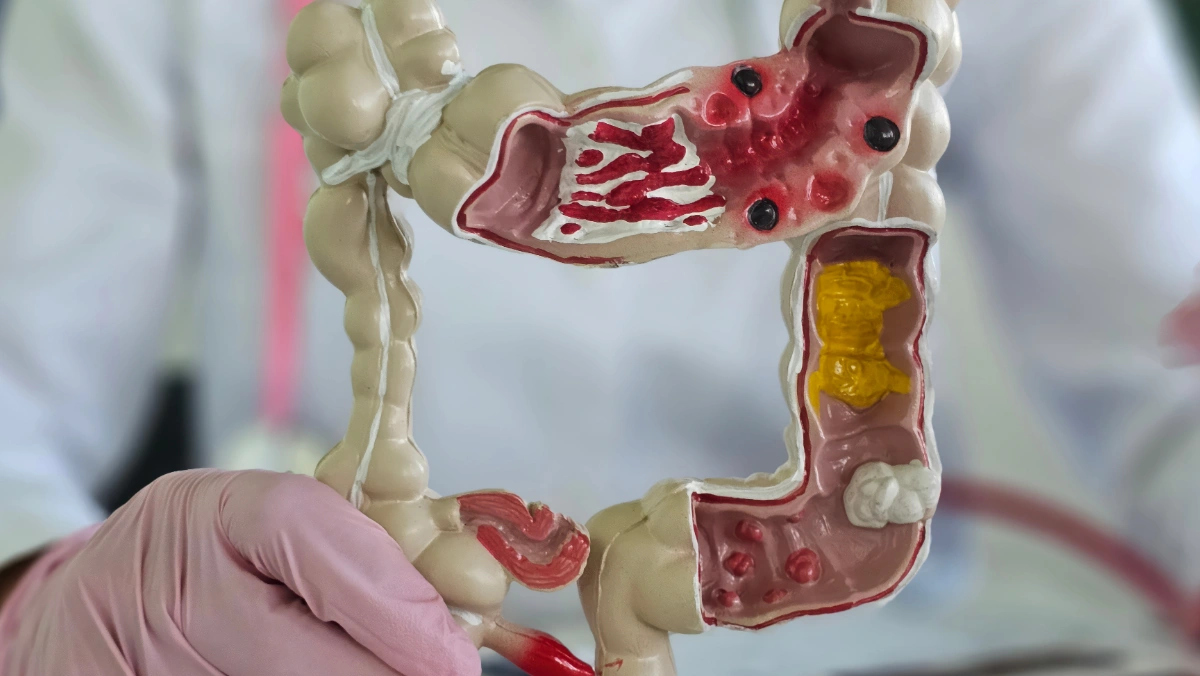
Why Colon Cancer Screening Now Starts at Age 45
For many years, colorectal cancer screening began at age 50 for adults at average risk. The earlier guideline was based on historical data showing most colorectal cancers occurring after age 50. However, epidemiological trends have shifted. With growing evidence that colorectal cancer is increasingly affecting younger adults, expert panels recommend beginning screening at age 45 to prevent additional cancers and deaths
Today, major medical organizations recommend starting screening at age 45.
When Did the Screening Age Change?
In 2018, the American Cancer Society updated its recommendation and lowered the starting age for colorectal cancer screening from 50 to 45 for average-risk adults.
Subsequently in 2021, the U.S. Preventive Services Task Force similarly updated its recommendation.
Why Was the Age Lowered?
Research over the past two decades showed a concerning trend:
- Colorectal cancer rates were declining in adults over 50
- But increasing steadily in adults aged 45–49
- In some cases, cancers were diagnosed at more advanced stages
While the exact reasons are still being studied, potential contributing factors include:
- Diet (Western diet, processed food, red meat)
- Lifestyle (sedentary, smoking, alcohol)
- Obesity
- Gut microbiome changes
- Environmental exposures
- Genetics
Lowering the screening age helps detect cancer earlier and more importantly, colonoscopy specifically can prevent cancer by identifying and removing precancerous polyps before they turn into cancer.
Who Should Start Screening at 45?
Adults at average risk should begin screening at age 45.
You are considered average risk if you:
- Have no symptoms (rectal bleeding or change in bowel habits)
- Have no personal history of colorectal cancer or adenomatous polyps
- Have no inflammatory bowel disease (Crohn’s or Ulcerative Colitis)
- Do not have a first-degree relative or multiple second-degree relatives with colorectal cancer
- Do not have hereditary cancer syndrome
What If You’re at Higher Risk?
Some individuals may need to begin screening before age 45, including those with:
- A family history of colorectal cancer (start at age 40 or 10 years before the age at cancer diagnosis) or advanced colorectal polyps
- Inflammatory bowel disease (Crohn’s or Ulcerative Colitis)
- Hereditary cancer syndromes such as Lynch syndrome or polyposis syndromes
In these cases, colonoscopy typically starts earlier and may be repeated at shorter intervals.
If you have symptoms, such as rectal bleeding or change in bowel habits, please discuss them with your physician to see if a diagnostic colonoscopy is needed.
What Screening Options Are Available?
Several screening methods are available, including:
- Colonoscopy (gold standard)
- Flexible Sigmoidoscopy
- Stool-based tests (including stool DNA testing or FIT [fecal immunochemical test] for occult blood)
- CT colonography
The most appropriate option depends on individual risk factors, preferences, and medical history.
Why Early Detection Matters
Colorectal cancer often develops from precancerous polyps over many years. Colorectal cancer is unique in that screening can help to prevent cancer, not just detect it.
When caught early:
- Treatment is less invasive
- Outcomes are significantly improved
Delaying screening can increase the risk of later-stage diagnosis.
Colorectal Cancer Screening at Bay Area Colon & Rectal Surgeons
If you are turning 45, or have risk factors that may require earlier screening, Dr. Negar M. Salehomoum, MD, FACS, FASCRS, at Bay Area Colon & Rectal Surgeons (BACRS), a division of BASS Medical Group, provides specialized evaluation and colorectal cancer screening guidance tailored to your individual risk profile.
As a board-certified colorectal surgeon, Dr. Salehomoum focuses exclusively on conditions affecting the colon and rectum and works closely with patients to determine the most appropriate screening and prevention strategy. Early detection not only identifies cancer at a treatable stage: it can prevent cancer altogether by removing precancerous polyps.
Early screening saves lives.
To schedule a consultation or discuss your screening options, call 925-274-9000.

.webp)
.webp)