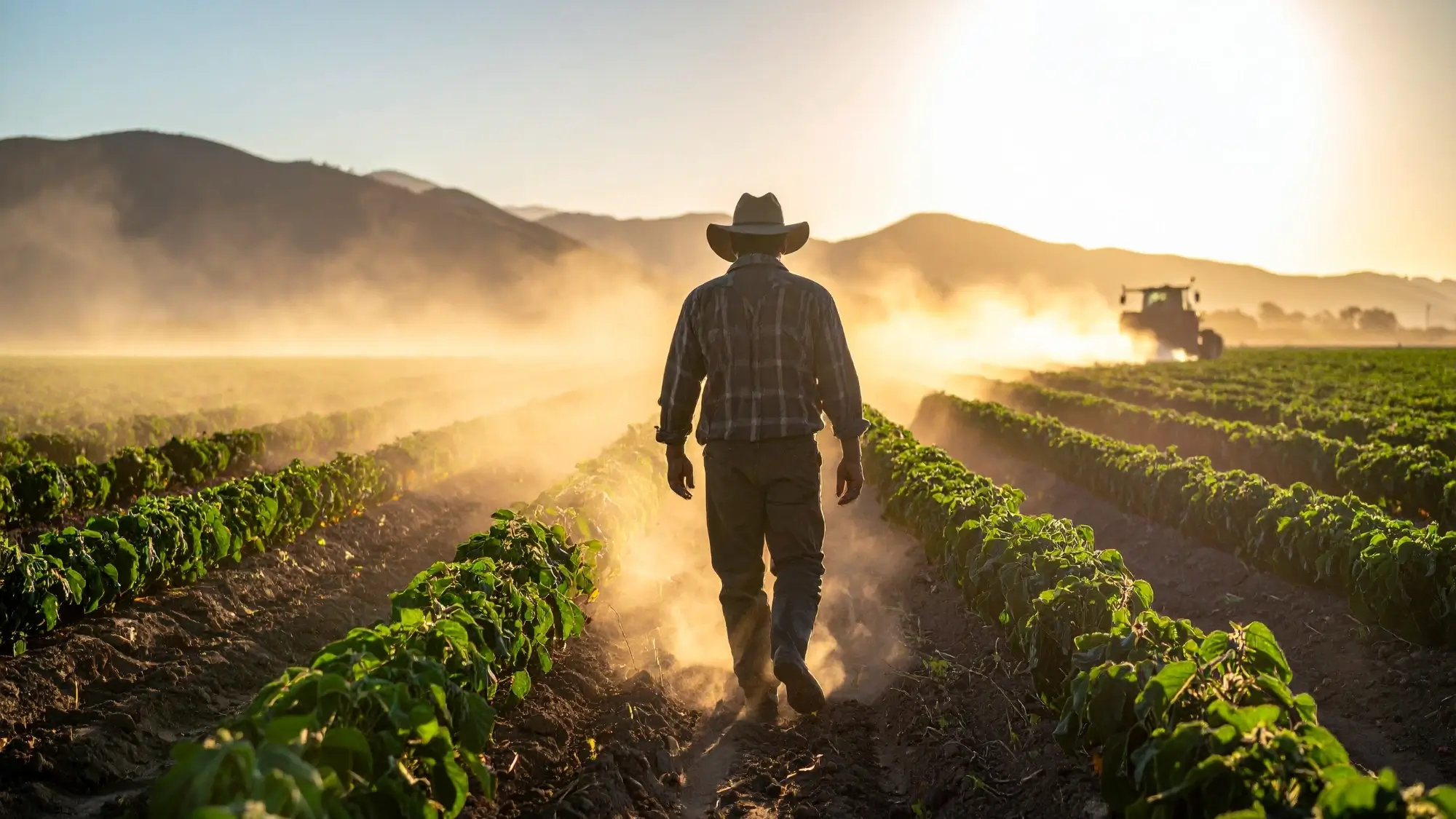
Valley Fever and California's Central Valley: Why Cases Rise in Dusty Agricultural Regions
Valley Fever is a fungal infection that affects thousands of people in California each year, particularly in the Central Valley and other dry regions where soil and dust can become airborne. While many cases cause mild symptoms, some infections can lead to serious illness, especially in people with certain risk factors.
Understanding where Valley Fever is most common, how it spreads, and what symptoms to watch for can help Californians seek care sooner and avoid unnecessary complications.
What Is Valley Fever?
Valley Fever, medically known as coccidioidomycosis, is an infection caused by fungi that naturally live in the soil of certain arid and semi-arid regions. The fungi grow underground and release microscopic spores into the air when soil is disturbed. People can become infected after breathing in these airborne spores. Valley Fever is not spread from person to person. Instead, infection occurs through environmental exposure.
Most cases in the United States occur in:
- California
- Arizona
- Parts of Nevada
- New Mexico
- Texas
- Northern Mexico
California consistently reports some of the highest numbers of Valley Fever cases nationwide.
Why Is Valley Fever Common in California's Central Valley?
The Central Valley provides ideal conditions for the fungi that cause Valley Fever.
Several factors contribute to higher rates of infection:
Dry Climate
The fungus thrives in dry soil conditions common throughout much of California's interior.
Agricultural Activity
Farming operations often disturb large amounts of soil, allowing spores to become airborne.
Construction and Land Development
Excavation, grading, and construction projects can release fungal spores into the surrounding environment.
Wind and Dust Storms
Strong winds can carry spores over long distances, increasing exposure even among people who are not directly working with soil.
Communities in and around counties such as Kern, Fresno, Kings, Tulare, Madera, and portions of the San Joaquin Valley have historically reported elevated rates of Valley Fever.
How Do People Get Valley Fever?
People develop Valley Fever by inhaling fungal spores that have become airborne.
Common exposure situations include:
- Working in agriculture
- Construction work
- Landscaping
- Gardening
- Digging or excavation
- Outdoor recreation in dusty areas
- Dust storms or windy conditions
Importantly, many people who develop Valley Fever do not remember a specific dust exposure event.
Simply living, working, or spending time in an endemic area may be enough for exposure to occur.
What Are the Symptoms of Valley Fever?
Many people experience mild illness or no symptoms at all.
When symptoms occur, they often resemble the flu or other respiratory infections.
Common symptoms include:
- Fatigue
- Fever
- Cough
- Chest discomfort
- Shortness of breath
- Headache
- Muscle aches
- Joint pain
- Night sweats
Some patients also develop a red, painful rash known as erythema nodosum, often appearing on the legs.
Because symptoms can closely resemble influenza, pneumonia, COVID-19, or other respiratory illnesses, Valley Fever is sometimes overlooked during initial evaluations.
Why Is Valley Fever Often Misdiagnosed?
Valley Fever can be difficult to recognize because its symptoms overlap with many common illnesses.
Patients are frequently diagnosed initially with:
- Influenza
- COVID-19
- Bronchitis
- Pneumonia
- Other viral respiratory infections
In some cases, patients may receive multiple courses of antibiotics before Valley Fever is identified.
Since Valley Fever is caused by a fungus rather than bacteria, antibiotics do not treat the infection.
Healthcare providers practicing in California often consider Valley Fever when respiratory symptoms persist longer than expected, especially if a patient lives in or has recently visited a high-risk area.
Who Is at Higher Risk for Severe Valley Fever?
Most people recover without serious complications.
However, certain groups face a greater risk of severe disease.
Higher-risk populations include:
- Adults age 60 and older
- People with weakened immune systems
- Organ transplant recipients
- Individuals receiving chemotherapy
- People taking immunosuppressive medications
- Pregnant individuals
- People with diabetes
- People of African, Native American, or Filipino ancestry
In some cases, the infection can spread beyond the lungs to other parts of the body. Severe coccidioidomycosis can disseminate from the lungs and affect the heart, the covering of the heart known as the pericardium, the brain and coverings of the brain, as well as the skin and joints. These cases require prompt medical attention and specialized treatment.
How Is Valley Fever Diagnosed?
Diagnosis often involves:
- Review of symptoms
- Medical history
- Travel or residence history
- Blood testing
- Imaging studies such as chest X-rays or CT scans
Because Valley Fever is relatively common in parts of California, healthcare providers may recommend testing when respiratory symptoms persist or when pneumonia does not improve as expected.
Early diagnosis can help guide appropriate treatment and monitoring.
Can Valley Fever Be Prevented?
There is currently no vaccine available for Valley Fever.
While it may not be possible to eliminate exposure completely, several measures may help reduce risk:
- Avoid unnecessary exposure to dusty environments
- Stay indoors during dust storms when possible
- Keep windows closed during high-wind events
- Use appropriate respiratory protection when working in dusty conditions
- Wet soil before digging or disturbing large amounts of dirt
- Follow workplace safety recommendations
People who work in agriculture, construction, landscaping, and similar industries may benefit from additional protective measures.
When Should You See a Doctor?
Consider seeking medical attention if you develop:
- Persistent cough
- Ongoing fatigue
- Fever lasting more than several days
- Shortness of breath
- Symptoms that do not improve
- Pneumonia that seems slow to resolve
This is especially important if you live in or recently visited California's Central Valley or another region where Valley Fever is common.
Early evaluation may help identify the cause of symptoms and reduce delays in diagnosis.
Staying Aware of Valley Fever Risks in California
Valley Fever remains an important public health concern throughout California, particularly in the Central Valley and other dry, dusty regions. Because symptoms often resemble common respiratory illnesses, many cases go unrecognized initially.
Understanding your risk, recognizing symptoms, and seeking medical evaluation when symptoms persist can help ensure timely diagnosis and appropriate care.
If you live, work, or spend time in areas where Valley Fever is common, awareness is one of the most effective tools for protecting your health.
Concerned About a Persistent Cough or Respiratory Symptoms?
A lingering cough, fatigue, fever, shortness of breath, or pneumonia-like symptoms may warrant medical evaluation. BASS Medical Group's Pulmonology specialists, including physicians such as Dr. Manjari Nathan, can help determine whether Valley Fever or another respiratory condition may be responsible.
Schedule an appointment, call a BASS Medical Group office near you, or explore our Pulmonology providers.

.webp)
.webp)