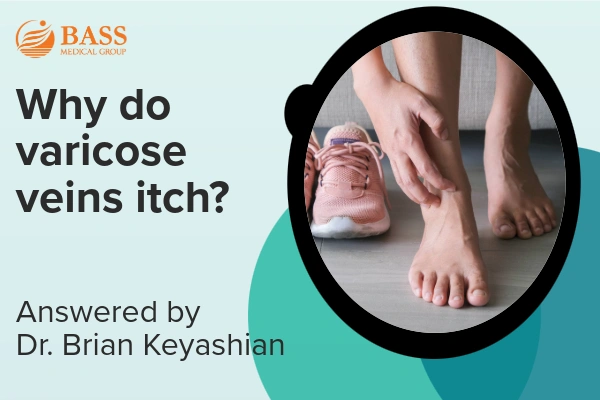
Why do Varicose Veins itch?
Varicose veins can itch because increased pressure inside the veins may cause inflammation in the surrounding skin and soft tissue. When blood pools in the legs due to venous insufficiency, fluid and inflammatory changes can affect the skin, leading to itching, irritation, swelling, and discoloration.


Key Takeaways
- Varicose veins are commonly caused by venous insufficiency
- Increased vein pressure may lead to skin inflammation and itching
- Swelling and discoloration can also occur with chronic venous disease
- Itchy skin around varicose veins may worsen over time without treatment
- A vein specialist can evaluate symptoms and treatment options
Why Do Varicose Veins Cause Itching?
Healthy veins use one-way valves to move blood back toward the heart.
With venous insufficiency:
- Vein valves become weak or leaky
- Blood pools in the legs
- Pressure builds inside the veins
Over time, this increased pressure may cause blood and fluid to leak into nearby tissues, leading to:
- Skin irritation
- Inflammation
- Itching
- Swelling
The skin around varicose veins may become sensitive or uncomfortable as circulation problems progress.
What Other Symptoms Can Varicose Veins Cause?
In addition to itching, varicose veins may cause:
- Aching or burning pain
- Leg heaviness
- Swelling
- Skin discoloration
- Cramping
- Fatigue in the legs
Symptoms often worsen after prolonged standing or sitting.
Can Untreated Vein Disease Affect the Skin?
Yes. Chronic venous insufficiency may eventually lead to:
- Darkened skin discoloration
- Thickened skin
- Inflammation
- Venous ulcers in advanced cases
Early treatment may help reduce progression of these skin-related complications.
How Are Itchy Varicose Veins Treated?
Treatment depends on the severity of venous insufficiency and may include:
- Compression stockings
- Leg elevation
- Exercise and walking
- Minimally invasive vein procedures
- Venous ablation
- Sclerotherapy
A vein specialist can help determine the underlying cause of symptoms and recommend appropriate treatment.
About Dr. Brian Keyashian
Dr. Brian Keyashian is a vascular and endovascular surgeon at BASS Medical Group specializing in venous disease, vascular surgery, carotid artery disease, peripheral vascular disease, and minimally invasive vein procedures.
Video Transcript
Varicose veins form when there is increased pressure in your venous system, which causes blood to leak out of the veins.
This blood in the surrounding soft tissue leads to inflammation, which results in an itching sensation.
The increased pressure is also responsible for the swelling and discoloration you may experience in your calf.
I'm Dr. Brian Keyashian. Thanks for watching!
Frequently Asked Questions
Is itching common with varicose veins?
Yes. Skin irritation and itching are common symptoms of venous insufficiency.
Why does venous insufficiency affect the skin?
Poor circulation and increased vein pressure can cause inflammation and fluid buildup in surrounding tissues.
Can scratching varicose veins damage the skin?
Repeated scratching may irritate the skin further and increase the risk of skin breakdown.
Do compression stockings help itchy varicose veins?
Compression stockings may help improve circulation and reduce swelling and discomfort associated with venous insufficiency.
Medical Disclaimer: Content provided by BASS Medical Group is intended for general informational purposes only and does not establish a physician-patient relationship. This information should not be used as a substitute for professional medical advice, diagnosis, or treatment.