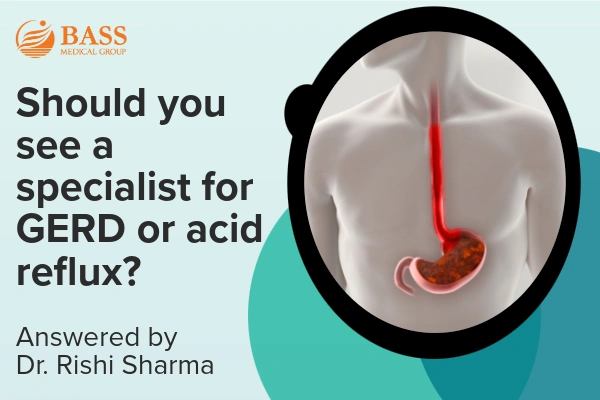
Should You See a Specialist for GERD or Acid Reflux?
Occasional heartburn may often be managed by a primary care provider, especially if symptoms improve with infrequent medication use. However, patients with ongoing acid reflux symptoms, chronic medication use, or persistent heartburn may benefit from evaluation by a gastroenterologist.


Key Takeaways
- Occasional heartburn may be managed by a primary care doctor
- Persistent or frequent reflux symptoms may require specialist evaluation
- Chronic acid reflux can sometimes lead to complications
- Gastroenterologists offer additional testing and treatment options
- Some patients may benefit from treatment approaches beyond medication
What Is GERD?
GERD, or gastroesophageal reflux disease, occurs when stomach acid repeatedly flows backward into the esophagus.
Common symptoms may include:
- Heartburn
- Acid reflux
- Regurgitation
- Chest discomfort
- Chronic cough
- Difficulty swallowing
Symptoms may worsen after meals or while lying down.
When Should You See a Gastroenterologist?
You should consider seeing a gastroenterologist if:
- Heartburn occurs frequently
- Symptoms continue despite medication
- You rely on long-term reflux medication
- Symptoms interfere with daily life
- You experience difficulty swallowing
- Reflux symptoms worsen over time
A specialist can evaluate whether additional testing or treatment may be appropriate.
What Can a Gastroenterologist Do for Acid Reflux?
A gastroenterologist may help:
- Confirm the diagnosis of GERD
- Evaluate for complications
- Recommend lifestyle changes
- Adjust medications
- Discuss procedural or advanced treatment options
Specialists may also evaluate for conditions such as:
- Barrett’s esophagus
- Esophagitis
- Hiatal hernia
Can Acid Reflux Be Managed Without Medication?
Some patients may improve symptoms through:
- Dietary changes
- Weight management
- Avoiding late meals
- Elevating the head of the bed
- Limiting trigger foods
However, treatment recommendations vary depending on symptom severity and underlying conditions.
Why Is Ongoing Reflux Important to Evaluate?
Chronic acid reflux may increase the risk of:
- Esophageal irritation
- Inflammation
- Barrett’s esophagus
- Difficulty swallowing
Persistent symptoms should not be ignored, especially if they continue despite treatment.
About Dr. Rishi Sharma
Dr. Rishi Sharma is a gastroenterologist at BASS Medical Group specializing in advanced endoscopy, GERD management, colon cancer screening, Barrett’s esophagus, pancreatobiliary disease, and general gastrointestinal conditions.
Video Transcript
If you're able to control your heartburn with occasional medications, like once or twice a week, it's fine to see your primary care doctor.
However, if you're relying on chronic medications or continue to have symptoms, it’s important to see a gastroenterologist.
A gastroenterologist can help you manage your symptoms more effectively, potentially without medication, and provide additional treatment options for acid reflux.
Thank you for submitting your questions to #BassListens.
Frequently Asked Questions
What is the difference between occasional heartburn and GERD?
Occasional heartburn happens intermittently, while GERD involves frequent or persistent reflux symptoms.
Can acid reflux damage the esophagus?
Chronic reflux may irritate and damage the lining of the esophagus over time.
When should reflux symptoms be evaluated?
Persistent symptoms, difficulty swallowing, or long-term medication use should be discussed with a doctor.
Can lifestyle changes help acid reflux?
Yes. Diet changes, weight management, and avoiding trigger foods may help reduce symptoms in some patients.
Medical Disclaimer: Content provided by BASS Medical Group is intended for general informational purposes only and does not establish a physician-patient relationship. This information should not be used as a substitute for professional medical advice, diagnosis, or treatment.

.webp)