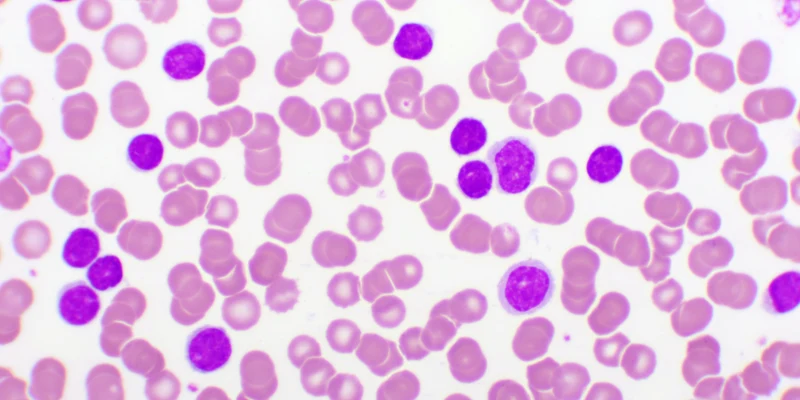
Leukemia
Leukemia is a type of cancer that begins in blood-forming tissues, including the bone marrow, and causes abnormal blood cells to develop and multiply. These abnormal cells can interfere with the body’s ability to produce healthy red blood cells, white blood cells, and platelets. There are several types of leukemia. Some develop quickly and require prompt treatment, while others progress more slowly and may initially be monitored rather than treated immediately.
Quick Facts
- Leukemia is a cancer of the blood-forming tissues, including the bone marrow.
- The four major types are acute lymphoblastic leukemia (ALL), acute myeloid leukemia (AML), chronic lymphocytic leukemia (CLL), and chronic myeloid leukemia (CML).
- Acute leukemias tend to develop quickly, while chronic leukemias generally progress more slowly.
- Leukemia can affect both children and adults, although certain types are more common in particular age groups.
- Symptoms can occur when abnormal blood cells interfere with the production of normal blood cells.
- Blood tests and bone marrow testing may be used to diagnose and classify leukemia.
- Treatment depends on the specific type of leukemia, genetic characteristics, age, overall health, and other factors.
Symptoms
Leukemia symptoms can vary depending on the type and how quickly it develops.
Common symptoms may include:
- Persistent fatigue, weakness, or pale skin
- Frequent infections or unexplained fever
- Easy bruising or unusual bleeding
- Unexplained weight loss
- Night sweats
- Bone or joint pain
- Swollen lymph nodes
- Shortness of breath
- Small red or purple spots under the skin
- Abdominal fullness or discomfort from an enlarged spleen or liver
These symptoms can also occur with many conditions that are not cancer. Blood testing and medical evaluation are needed to determine the cause.
Causes
Leukemia develops when genetic changes occur in blood-forming cells, causing abnormal cells to grow and reproduce differently from healthy blood cells.
In many cases, the exact reason these changes occur is not known.
Different types of leukemia begin in different blood-forming cells and behave differently. Leukemias are generally classified by:
- How quickly they progress, either acute or chronic
- The type of blood-forming cell affected, such as lymphoid or myeloid cells
Leukemia is not caused by everyday contact with someone who has the disease and is not contagious.
Risk Factors
Risk factors vary among different types of leukemia and do not always have a clear relationship to an individual diagnosis.
Factors associated with some forms of leukemia may include:
- Older age, particularly for several adult leukemias
- Certain inherited genetic conditions
- Previous chemotherapy or radiation therapy for another cancer
- Exposure to high levels of radiation or certain chemicals
- Smoking, particularly as a risk factor for AML
- Certain bone marrow or blood disorders
- Family history of certain types of leukemia
Many people diagnosed with leukemia have no identifiable risk factors, and having a risk factor does not mean someone will develop leukemia.
Treatments
Leukemia treatment is individualized based on the specific type and characteristics of the cancer.
Treatment options may include:
- Chemotherapy or targeted therapy to destroy leukemia cells or interfere with processes that allow them to grow
- Immunotherapy, including certain antibody treatments or cellular therapies for selected types of leukemia
- Stem cell transplantation for some patients when it is appropriate for their specific leukemia and overall health
Other treatments may include radiation therapy or supportive treatments such as blood transfusions, antibiotics, and medications to manage complications.
Some slowly progressing chronic leukemias may initially be monitored closely without immediate treatment.
When to Seek Care
Talk with a healthcare provider if you experience persistent or unexplained symptoms such as:
- Ongoing fatigue or weakness
- Frequent infections or recurring fever
- Easy or unexplained bruising
- Unusual or prolonged bleeding
- Unexplained weight loss
- Persistent night sweats
- Swollen lymph nodes that do not go away
- Persistent bone or joint pain
A healthcare provider may begin with a physical examination and blood tests, including a complete blood count. Abnormal results may lead to additional testing or referral to a hematologist or medical oncologist for further evaluation.
Seek prompt medical attention for significant uncontrolled bleeding, severe shortness of breath, fainting, signs of a serious infection, or rapidly worsening symptoms.