
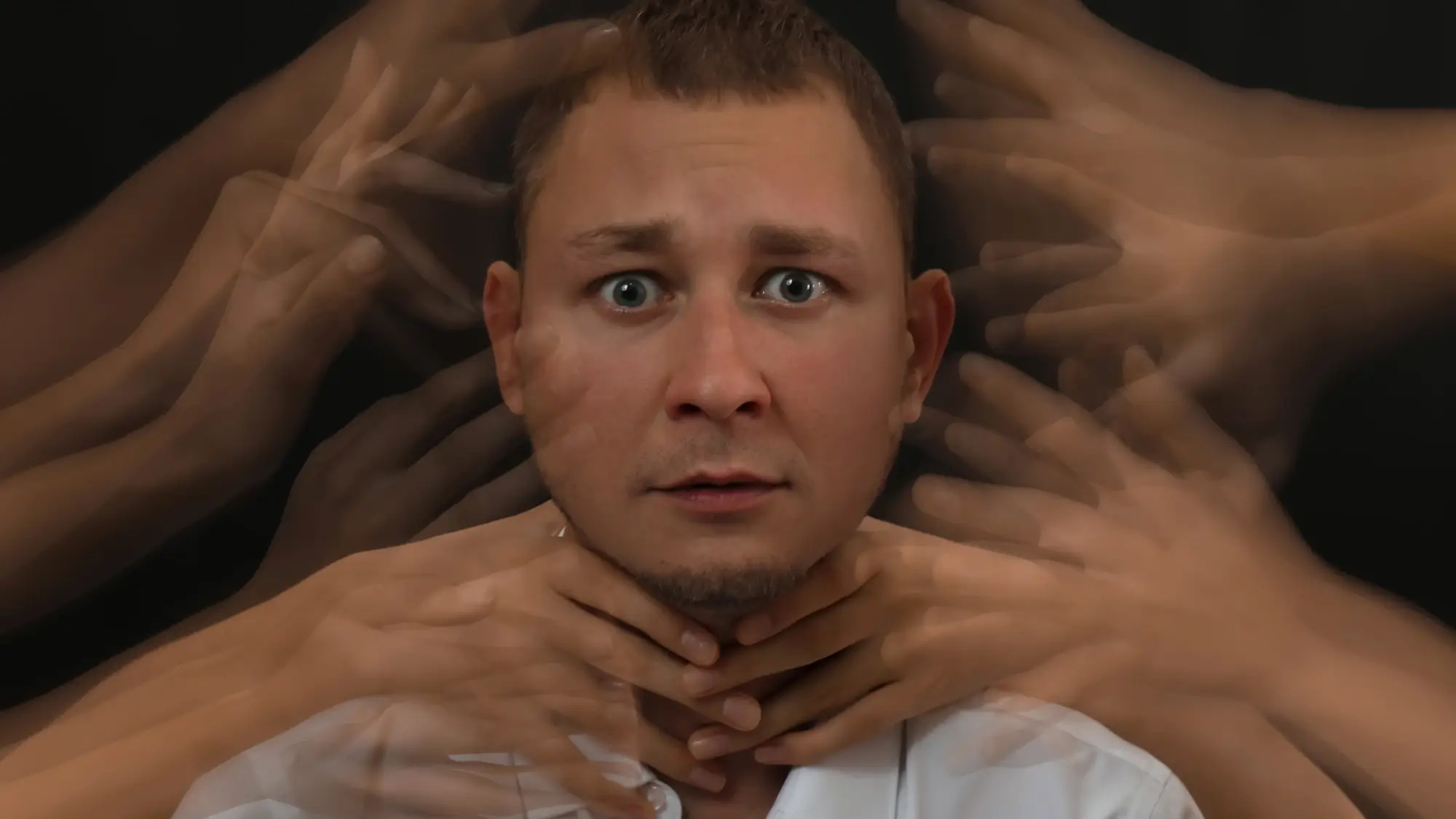
Cannabis-Induced Psychosis: What It Is and Who’s at Risk
Cannabis, also called marijuana or weed, is often viewed as relatively low risk. However, cannabis can cause serious mental health symptoms in some individuals, particularly younger users, heavy users, and those using high-potency THC products.
One of the most concerning reactions is cannabis-induced psychosis, a condition that can cause hallucinations, paranoia, confusion, and a loss of contact with reality. While cannabis-induced psychosis is not common, it can be frightening for both the person experiencing symptoms and their family members.
What Is Cannabis-Induced Psychosis?
Cannabis-induced psychosis is a temporary but serious mental health condition that occurs after cannabis use. It is sometimes referred to as weed-induced psychosis or marijuana-induced psychosis.
Psychosis is a condition in which a person has difficulty distinguishing what is real from what is not. Symptoms may include hallucinations, delusions, paranoia, or severely disorganized thinking.
Symptoms can develop shortly after using cannabis and may last for hours, days, or, in some cases, longer.
Can Cannabis Cause Psychosis?
Yes. Research has shown that cannabis can cause psychotic symptoms in certain individuals, particularly when products contain high levels of THC.
The risk appears to be higher among:
- Teens and young adults
- People who use cannabis frequently
- Individuals using high-potency THC products
- Those with a personal or family history of mental illness
While many people use cannabis without experiencing psychosis, some individuals may be more vulnerable due to genetic, developmental, or mental health factors.
Can Weed Trigger Psychosis?
Yes. Weed, marijuana, and cannabis all refer to products derived from the cannabis plant. In some people, weed can trigger psychosis, especially when consumed in large amounts or when THC concentrations are very high.
Today's cannabis products are often much stronger than those available in previous decades. Concentrated products such as dabs, vape cartridges, and certain edibles may contain significantly higher THC levels than traditional cannabis flower.
Because THC is the primary psychoactive component of cannabis, higher concentrations may increase the likelihood of psychotic symptoms.
Cannabis-Induced Psychosis Symptoms
Cannabis-induced psychosis symptoms can appear suddenly and may be severe.
Common symptoms include:
- Seeing or hearing things that are not there (hallucinations)
- Strong paranoia or fear
- False beliefs or delusions
- Confusion
- Disorganized thoughts or speech
- Panic attacks
- Severe anxiety
- Feeling detached from reality
- Suspicion of others
- Difficulty recognizing what is real
For families, these symptoms often appear as a sudden and dramatic change in behavior.
Who Is Most at Risk?
Research continues to show that some groups are more vulnerable to cannabis-related psychosis.
Risk factors include:
- Being younger than 25 years old
- Daily or heavy cannabis use
- Using high-THC products
- Early cannabis use during adolescence
- A family history of schizophrenia
- A family history of bipolar disorder
- A personal history of mental health conditions
Recent studies have found that adolescents who use cannabis may have a higher risk of developing psychotic disorders or bipolar disorder later in life. Researchers believe the developing brain may be more sensitive to the effects of THC.
Why THC Matters
Cannabis contains many different compounds, but THC and CBD are among the most studied.
THC (tetrahydrocannabinol) is the psychoactive component responsible for the "high" associated with cannabis use. THC can also contribute to anxiety, paranoia, and psychotic symptoms.
CBD (cannabidiol) does not cause intoxication and is being studied for potential therapeutic applications.
Research consistently shows that high-THC products are most strongly associated with cannabis-induced psychosis.
How Long Does Cannabis-Induced Psychosis Last?
The duration of symptoms varies from person to person.
Some individuals recover within hours after the effects of cannabis wear off. Others may experience symptoms for several days or longer.
The duration may depend on:
- The amount of cannabis used
- THC potency
- Whether other substances were involved
- Individual mental health factors
- Underlying psychiatric conditions
Anyone experiencing psychotic symptoms should receive prompt medical evaluation.
Can Cannabis-Induced Psychosis Lead to Long-Term Mental Illness?
In some cases, yes.
For many individuals, symptoms improve after cannabis leaves the body and treatment is provided when necessary.
However, cannabis-induced psychosis can sometimes be an early warning sign of a more serious mental health condition, including:
- Schizophrenia
- Schizoaffective disorder
- Bipolar disorder with psychotic features
Studies have found that some individuals who experience cannabis-related psychosis later develop a chronic psychiatric disorder. Continued cannabis use may increase that risk.
What Should You Do If It Happens?
If you or someone you know develops symptoms of psychosis after using cannabis:
- Seek medical care immediately
- Stop cannabis use
- Stay in a calm, safe environment
- Avoid alcohol and other substances
- Remain with the person if they appear confused or frightened
If the person becomes agitated, is unable to care for themselves, or may be a danger to themselves or others, call 911 or seek emergency medical care immediately.
Protecting Your Mental Health
Cannabis is legal in California, but legality does not eliminate health risks.
While cannabis is not associated with fatal overdose, high doses, particularly from edibles and concentrates, can lead to severe anxiety, confusion, paranoia, and psychosis that may require emergency medical attention.
To help reduce risk:
- Avoid high-potency THC products
- Limit frequency of use
- Delay cannabis use until adulthood when possible
- Be cautious if you have a personal or family history of mental illness
- Seek evaluation for concerning mental health symptoms
A Note for Patients and Families
Many people are surprised to learn that cannabis can trigger psychotic symptoms.
A teenager or young adult may use cannabis casually and suddenly experience paranoia, hallucinations, or severe confusion. For families, the change can feel abrupt and alarming.
If something does not seem right, trust your instincts. Early recognition and medical evaluation can make a meaningful difference.
Concerned About Mental Health Symptoms?
If you or someone in your family has experienced hallucinations, paranoia, confusion, or other unusual symptoms after cannabis use, it is important to seek medical care.
A BASS Medical Group primary care provider can help evaluate symptoms, discuss concerns, and coordinate referrals when appropriate.
Frequently Asked Questions
Can cannabis really cause psychosis?
Yes. Cannabis can cause psychosis in some individuals, particularly those using high-THC products or those with underlying risk factors for mental illness.
Can weed trigger psychosis even if you've used it before?
Yes. A person may develop psychotic symptoms even if they have used cannabis previously without experiencing problems.
What are the symptoms of weed-induced psychosis?
Common symptoms include hallucinations, paranoia, delusions, confusion, severe anxiety, panic attacks, and loss of contact with reality.
Is cannabis-induced psychosis permanent?
Often it is temporary, but it can sometimes be a warning sign of a more serious psychiatric condition.
Are edibles safer than smoking?
Not necessarily. Edibles can deliver large amounts of THC and have been associated with increased emergency department visits for cannabis-related complications.
Who is most at risk for cannabis-induced psychosis?
Teens, young adults, heavy cannabis users, individuals using high-potency THC products, and those with a personal or family history of mental illness appear to be at higher risk.

.webp)
.webp)
.webp)