What Advice Do You Have for Someone Considering Weight Loss Surgery?
If you are considering weight loss surgery, one of the most important first steps is learning about obesity as a medical condition and understanding the different treatment options available. Bariatric surgery may help appropriate candidates achieve significant long-term weight loss and improve obesity-related health conditions when combined with lifestyle changes and ongoing support.

Key Takeaways
- Obesity is a complex chronic medical condition
- Bariatric surgery may provide long-term weight loss support for appropriate candidates
- Surgery is typically combined with nutrition and lifestyle changes
- Learning about the different surgical options is an important first step
- A bariatric team can help determine whether surgery may be appropriate for you
Understanding Weight Loss Surgery
Bariatric surgery refers to procedures designed to help patients lose weight by changing how the digestive system functions.
Common procedures may include:
- Gastric sleeve surgery
- Gastric bypass surgery
- Revisional bariatric surgery
These procedures are often considered when diet, exercise, and other weight loss approaches have not produced lasting results.
Why Education Matters Before Surgery
Patients considering bariatric surgery should understand:
- The risks and benefits of surgery
- Long-term lifestyle changes required
- Nutrition expectations
- Recovery timelines
- Follow-up care requirements
Learning about obesity and treatment options may help patients make more informed decisions about their health.
Is Bariatric Surgery Effective?
Research has shown that bariatric surgery may help many patients achieve:
- Significant long-term weight loss
- Improved diabetes management
- Lower blood pressure
- Better mobility
- Reduced sleep apnea symptoms
- Improved quality of life
Long-term success often depends on ongoing lifestyle habits and medical follow-up.
Who May Be a Candidate for Weight Loss Surgery?
Eligibility for bariatric surgery may depend on factors such as:
- Body mass index (BMI)
- Obesity-related medical conditions
- Previous weight loss attempts
- Overall health status
A bariatric surgeon can help evaluate whether surgery may be appropriate based on your individual situation.
About Dr. Brian Chin
Dr. Brian Chin is a bariatric and minimally invasive surgeon at BASS Medical Group and BASS Bariatric Surgery & Weight Management. He specializes in advanced laparoscopic surgery, bariatric surgery, and weight management care.
Video Transcript
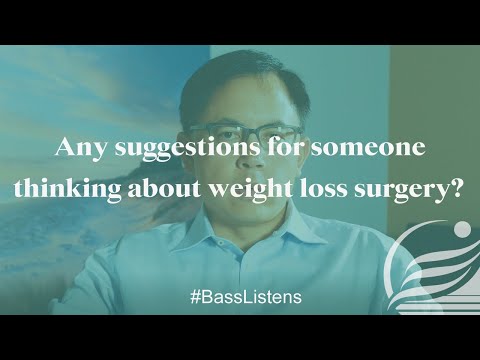
What do I suggest for someone thinking about weight loss surgery?
First and foremost, I recommend patients learn as much as they can about the disease of obesity and about the different treatment options.
What we do know from multiple research studies is that surgery offers the most effective means of achieving weight loss and sustaining that weight loss long term, especially compared with simple diet or medications.
I'm Dr. Brian Chin, thanks for listening.
Frequently Asked Questions
Is weight loss surgery safe?
Modern bariatric surgery is generally considered safe when performed by experienced surgeons, although every procedure carries risks.
How much weight can patients lose after bariatric surgery?
Weight loss varies depending on the procedure, lifestyle changes, and individual health factors.
Does bariatric surgery cure obesity?
Bariatric surgery is a treatment tool that helps support long-term weight management, but ongoing lifestyle changes remain important.
How do you know if you qualify for bariatric surgery?
Qualification often depends on BMI, obesity
Medical Disclaimer: Content provided by BASS Medical Group is intended for general informational purposes only and does not establish a physician-patient relationship. This information should not be used as a substitute for professional medical advice, diagnosis, or treatment.