Symptoms of Varicose Veins
Varicose veins can cause more than just visible enlarged veins beneath the skin. Many patients experience symptoms such as aching, heaviness, swelling, fatigue, itching, and leg discomfort related to venous insufficiency and poor circulation.

Key Takeaways
- Varicose veins may cause pain, swelling, heaviness, and itching
- Symptoms often worsen after prolonged standing
- Elevating the legs and compression stockings may help relieve symptoms
- Untreated venous insufficiency can sometimes lead to complications
- A vein specialist can evaluate symptoms and treatment options
What Are Varicose Veins?
Varicose veins are enlarged veins that develop when blood pools in the legs because vein valves stop functioning properly.
This condition, known as venous insufficiency, increases pressure inside the veins and may lead to both visible veins and uncomfortable symptoms.
Common Symptoms of Varicose Veins
Symptoms may include:
- Aching or throbbing pain
- Leg heaviness
- Fatigue in the legs
- Swelling
- Itching
- Burning sensations
- Tenderness
- Visible bulging veins
Symptoms often become worse:
- Later in the day
- After standing for long periods
- During prolonged sitting
Can Varicose Veins Cause Complications?
Yes. In some cases, untreated venous insufficiency may lead to more advanced complications such as:
Phlebitis
Inflammation and clotting in superficial veins may cause:
- Pain
- Redness
- Tenderness
Skin Changes
Poor circulation may eventually contribute to:
- Skin discoloration
- Thickened skin
- Irritation
Venous Ulcers or Bleeding
Advanced venous disease can sometimes lead to:
- Skin wounds
- Bleeding veins
- Chronic ulcers
What Helps Relieve Varicose Vein Symptoms?
Symptoms may improve with:
- Compression stockings
- Leg elevation
- Regular walking and exercise
- Avoiding prolonged standing or sitting
Some patients may benefit from minimally invasive vein treatment if symptoms persist.
When Should You See a Vein Specialist?
You should consider evaluation if you experience:
- Persistent leg swelling
- Painful varicose veins
- Skin discoloration
- Bleeding veins
- Symptoms interfering with daily activities
A vein specialist can help determine whether venous insufficiency is contributing to your symptoms.
About Dr. Brian Keyashian
Dr. Brian Keyashian is a vascular and endovascular surgeon at BASS Medical Group specializing in venous disease, vascular surgery, carotid artery disease, peripheral vascular disease, and minimally invasive vein procedures.
Video Transcript
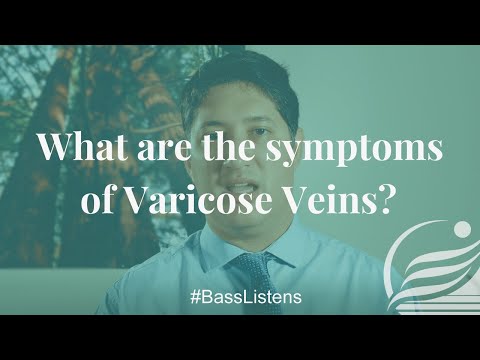
Varicose veins are enlarged veins under your skin that can cause symptoms such as itching, heaviness, fatigue, and swelling, particularly at the end of the day or after standing for long periods.
These symptoms often improve when you elevate your legs or use compression stockings.
In some cases, you may develop phlebitis, which is inflammation and blood clots in the vein, causing significant pain.
Other complications can include bleeding from the veins, wounds, or skin discoloration.
If you experience any of these symptoms, please reach out to your nearest vein specialist.
I'm Dr. Brian Keyashian. Thanks for watching!
Frequently Asked Questions
Are varicose veins dangerous?
Some varicose veins are mild, while others may lead to pain, swelling, skin changes, or circulation complications.
What is phlebitis?
Phlebitis is inflammation of a vein that may cause pain, redness, and tenderness.
Why do varicose vein symptoms worsen at the end of the day?
Standing or sitting for long periods increases pressure inside the leg veins and may worsen symptoms.
Do compression stockings help varicose veins?
Compression stockings may improve circulation and help reduce swelling and discomfort.
Medical Disclaimer: Content provided by BASS Medical Group is intended for general informational purposes only and does not establish a physician-patient relationship. This information should not be used as a substitute for professional medical advice, diagnosis, or treatment.