Stroke
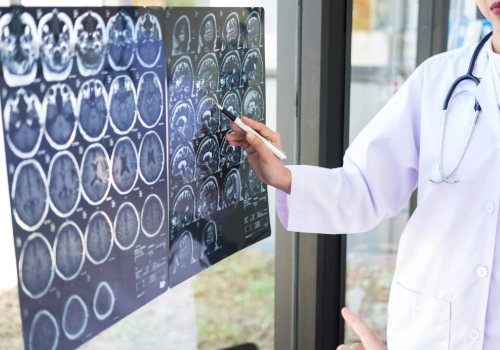
A stroke occurs when blood flow to part of the brain is blocked or reduced, or when a blood vessel in the brain ruptures, causing brain cells to be deprived of oxygen and nutrients.
Quick Facts
- Stroke is a medical emergency
- Early treatment greatly improves outcomes
- There are different types of stroke with different causes
- Stroke can affect movement, speech, vision, and thinking
- Recovery depends on severity and how quickly care is received
Symptoms
Stroke symptoms often appear suddenly and may include:
- Sudden numbness or weakness in the face, arm, or leg, especially on one side of the body
- Trouble speaking or understanding speech
- Vision problems in one or both eyes
- Dizziness, loss of balance, or coordination
- Severe headache with no known cause
Causes
Stroke occurs when blood supply to the brain is interrupted or a blood vessel ruptures.
Common causes include:
- Blood clots blocking arteries to the brain (ischemic stroke)
- Ruptured blood vessels causing bleeding in the brain (hemorrhagic stroke)
- Temporary blockages that resolve quickly (transient ischemic attack, or TIA)
- Underlying conditions such as high blood pressure or heart disease
Risk Factors
You may be at higher risk for stroke if you:
- Have high blood pressure
- Have diabetes or high cholesterol
- Smoke or use tobacco
- Have heart disease or irregular heart rhythm
- Are physically inactive
- Have a family history of stroke
Treatments
Stroke treatment depends on the type and timing of the event and may include:
- Emergency medications to dissolve or prevent clots
- Procedures to restore blood flow
- Blood pressure management
- Surgery in certain cases
- Rehabilitation therapies such as physical, occupational, or speech therapy
- Long-term prevention strategies
When to Seek Care
Call emergency services immediately if you or someone else shows signs of stroke. Acting fast can save brain function and life. Do not wait for symptoms to improve.
Medical Disclaimer: This content is for general educational purposes only and does not replace professional medical advice, diagnosis, or treatment. Always consult a qualified healthcare provider about your symptoms or health concerns. If you are experiencing a medical emergency, call 911 or seek immediate care