Sleep Apnea
Sleep apnea is a sleep-related breathing disorder in which breathing repeatedly stops and starts during sleep. These interruptions can reduce oxygen levels, disrupt restful sleep, and contribute to daytime fatigue and long-term health concerns if left untreated.
Quick Facts
- Condition type: Sleep-related breathing disorder
- Common age group: Adults (can occur in children)
- Treatable: Yes, with appropriate evaluation and management
- Emergency: No (urgent care recommended if symptoms include severe breathing difficulty or sudden neurological changes)
Symptoms
Symptoms may occur during sleep or while awake and can include:
- Loud or chronic snoring
- Pauses in breathing during sleep (often reported by a partner)
- Gasping or choking during sleep
- Excessive daytime sleepiness
- Morning headaches
- Difficulty concentrating or memory problems
- Irritability or mood changes
- Dry mouth or sore throat upon waking
Not everyone with sleep apnea snores, and symptom severity can vary.
Causes
Sleep apnea may develop due to several contributing factors, including:
- Relaxation or collapse of throat muscles during sleep
- Obesity or excess weight around the neck
- Structural features of the airway (narrow airway, enlarged tonsils)
- Nasal congestion or chronic sinus issues
- Neurological conditions affecting breathing control
- Family history of sleep apnea
- Use of alcohol, sedatives, or certain medications
Risk Factors
- Excess body weight or obesity
- Male sex
- Family history of sleep apnea
- Smoking or alcohol use
- Nasal obstruction or chronic congestion
- Certain anatomical features of the airway
- Underlying medical conditions such as hypertension or diabetes
Treatments
Treatment depends on the type and severity of sleep apnea and may include:
- Sleep evaluation, including overnight sleep studies when indicated
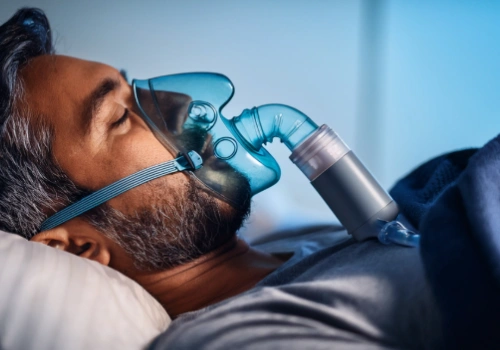
- Continuous Positive Airway Pressure (CPAP) or similar devices to keep airways open during sleep
- Oral appliances, in selected cases
- Lifestyle changes, such as weight management, positional therapy, and reducing alcohol use
- Treatment of nasal or sinus conditions that affect airflow
- Referral for surgical evaluation, in specific cases when conservative treatments are ineffective
A healthcare provider can help determine the most appropriate treatment plan.
When to Seek Care
You should consider medical evaluation if you:
- Snore loudly or regularly
- Experience excessive daytime sleepiness despite adequate sleep
- Wake up gasping, choking, or short of breath
- Have difficulty concentrating or persistent morning headaches
- Have high blood pressure that is difficult to control
Early diagnosis and management can improve sleep quality and overall health.
Medical Disclaimer: This content is for general educational purposes only and does not replace professional medical advice, diagnosis, or treatment. Always consult a qualified healthcare provider about your symptoms or health concerns. If you are experiencing a medical emergency, call 911 or seek immediate care