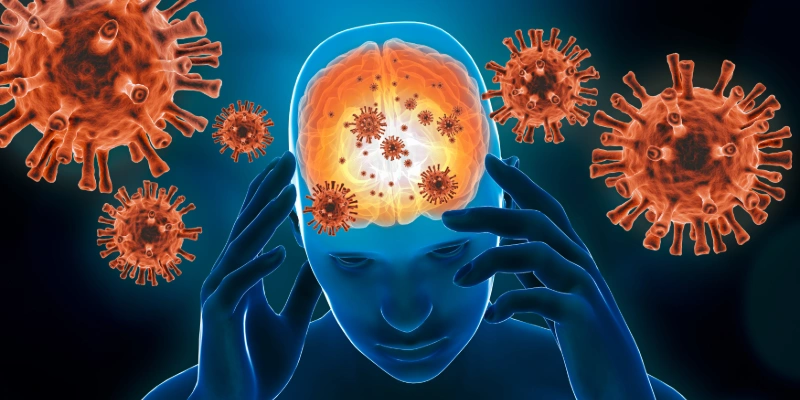
Meningitis
Meningitis is inflammation of the protective membranes (meninges) that surround the brain and spinal cord. It can be caused by bacterial, viral, or, less commonly, fungal infections. Some forms of meningitis are mild, but others—especially bacterial meningitis—can be serious and require urgent medical care.
Quick Facts
- Inflammation of the brain and spinal cord membranes
- Can be caused by bacteria, viruses, or fungi
- Bacterial meningitis is a medical emergency
- Viral meningitis is more common and often less severe
- Vaccines are available for some types of bacterial meningitis
Symptoms
Symptoms can develop quickly and may worsen over time.
Common symptoms include:
- Severe headache
- Fever
- Neck stiffness
Other symptoms may include nausea, vomiting, sensitivity to light, confusion, or difficulty concentrating. In some cases, seizures or difficulty waking up may occur.
In infants and young children, symptoms may look different and include irritability, poor feeding, vomiting, or a bulging soft spot on the head.
Meningitis symptoms can sometimes be mistaken for flu, migraine, or other infections, especially early on.
Causes
Meningitis is most commonly caused by infections.
Types include:
- Bacterial meningitis: Serious and requires immediate treatment
- Viral meningitis: More common and often less severe
- Fungal meningitis: Rare, usually affects people with weakened immune systems
The infection may spread through respiratory droplets, close contact, or exposure to contaminated environments.
Risk Factors
You may be at higher risk if you:
- Are an infant, child, or young adult
- Have a weakened immune system
- Live in close-contact settings (such as dorms or military housing)
- Have not received recommended vaccinations
Treatments
Treatment depends on the cause.
Bacterial meningitis requires immediate treatment with intravenous (IV) antibiotics and often hospitalization. Viral meningitis may be managed with supportive care such as rest, fluids, and symptom relief.
Early treatment is critical to reduce the risk of complications.
Meningitis recovery timeline
- Viral meningitis: often improves within 7–10 days
- Bacterial meningitis: recovery varies and may take weeks to months, depending on severity
When to Seek Care
Seek immediate medical care if you or someone else experiences symptoms such as severe headache, neck stiffness, fever, confusion, or sensitivity to light.
Meningitis can progress quickly, and early treatment is essential.
Care may involve primary care, emergency medicine, or infectious disease specialists, depending on severity.