
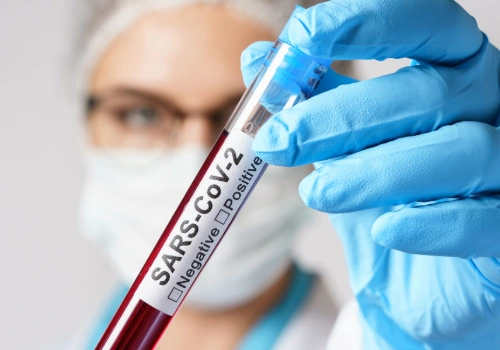
What Is SARS? Symptoms, History, and Is It Still a Threat Today?
Although SARS is no longer circulating, it remains an important chapter in global public health. Understanding what SARS was, and how it was contained, helps explain how modern healthcare systems respond to emerging respiratory viruses.
What Is SARS?
Severe Acute Respiratory Syndrome (SARS) is a viral respiratory illness caused by a coronavirus known as SARS-CoV. It first emerged in southern China in 2002 and spread internationally within months.
SARS belongs to the same viral family as:
- The common cold
- COVID-19
- Middle East Respiratory Syndrome (MERS)
The outbreak was officially contained in 2004 after coordinated international public health measures.
Where Did SARS Originate?
SARS was first identified in Guangdong Province, China. Researchers believe it originated in bats and spread to humans through intermediate animal hosts in live-animal markets.
This type of transmission is called zoonotic spillover, where a virus jumps from animals to humans. International travel allowed the virus to spread rapidly across more than two dozen countries in a matter of months.
How Did SARS Spread?
SARS spread primarily through respiratory droplets when an infected person:
- Coughed
- Sneezed
- Spoke at close range
The virus could also survive briefly on surfaces, increasing risk through contaminated hands touching the face.
Unlike COVID-19, SARS transmission was most contagious when patients were already visibly ill, which ultimately helped health officials contain it more effectively.
SARS vs. COVID-19: Key Differences
COVID-19 spreads more easily, including from people without symptoms. This difference significantly impacted global transmission patterns.
Symptoms of SARS
Symptoms typically appeared 2–7 days after exposure and included:
- High fever (above 100.4°F)
- Chills and body aches
- Dry cough
- Shortness of breath
- Headache
- Fatigue
- Occasional diarrhea
In severe cases, SARS progressed to pneumonia and acute respiratory distress syndrome (ARDS).
Is SARS Still a Threat Today?
SARS has not re-emerged since 2004. It is considered contained.
However, related coronaviruses continue to evolve, and global health agencies actively monitor for new variants or emerging respiratory viruses.
The SARS outbreak led to major improvements in:
- Global disease surveillance
- Infection control protocols
- Hospital isolation procedures
- International outbreak communication
These systems were critical during the COVID-19 pandemic.
How to Protect Yourself From Respiratory Viruses
Even though SARS is not circulating, protecting yourself from respiratory illnesses remains important.
Preventive steps include:
- Frequent handwashing
- Avoiding touching your face
- Cleaning high-touch surfaces
- Staying home when sick
- Keeping vaccinations up to date
- Wearing masks in high-risk settings when appropriate
If you develop persistent respiratory symptoms, seek medical evaluation promptly.
Respiratory Care at BASS Medical Group
If you are experiencing symptoms such as persistent cough, fever, or shortness of breath, BASS Medical Group offers comprehensive primary care and specialty evaluation throughout the Bay Area.
Our providers assess respiratory illnesses, coordinate diagnostic testing, and guide appropriate treatment based on your symptoms and medical history.
Schedule an appointment if you have ongoing respiratory concerns.

.webp)
.webp)
.webp)