
What Is a Biopsy? Does It Hurt and What Can It Detect?
If your provider has recommended a biopsy, it’s completely normal to feel nervous — especially if you’re wondering whether it will be painful. The good news is that most biopsies involve minimal discomfort and provide critical information that helps guide treatment decisions.
What Is a Biopsy?
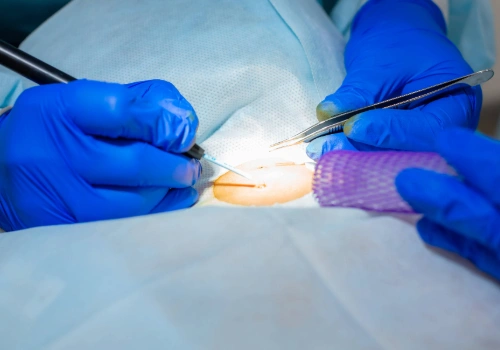
A biopsy is a medical procedure in which a small sample of tissue is removed from the body and examined under a microscope. The tissue is analyzed by a pathologist to determine whether abnormal cells are present.
Biopsies are commonly used to:
- Detect or rule out cancer
- Evaluate unexplained lumps or masses
- Diagnose inflammatory conditions
- Identify infections
- Assess organ damage
Biopsies can be performed on nearly any part of the body, including the skin, breast, liver, lymph nodes, bone marrow, and more.
Do Biopsies Hurt?
The level of discomfort depends on the type and location of the biopsy. In most cases, pain is mild and short-lived.
Skin Biopsy
Typically performed with local anesthesia. You may feel a brief pinch or sting during numbing, followed by pressure but not sharp pain.
Needle Biopsy (Breast, Thyroid, Lymph Node)
Patients may feel pressure or a quick sharp sensation during needle insertion. The procedure is usually brief.
Surgical Biopsy
Performed under local anesthesia, sedation, or general anesthesia depending on complexity. Mild soreness afterward is common.
Most patients describe post-procedure discomfort as similar to a bruise. Over-the-counter pain relievers are usually sufficient.
Common Types of Biopsies and What They Detect
Bone Marrow Biopsy
Used to detect: Leukemia, lymphoma, anemia, and other blood disorders.
Typically performed at the back of the hip bone. Some pressure and brief discomfort may occur.
Liver Biopsy
Used to evaluate: Cirrhosis, hepatitis, fatty liver disease, or unexplained abnormal liver tests.
Performed with imaging guidance using a thin needle.
Breast Biopsy
Used to evaluate: Suspicious lumps or abnormal mammogram findings.
Often performed as a needle biopsy in an outpatient setting.
Skin Biopsy
Used to diagnose: Skin cancer, rashes, or inflammatory skin conditions.
How Long Do Biopsy Results Take?
Results are typically available within several days to one week, depending on the complexity of the analysis. Your provider will review the findings with you and discuss any recommended next steps.
When to Contact Your Doctor After a Biopsy
While complications are uncommon, contact your provider if you experience:
- Increasing pain
- Fever or chills
- Excessive bleeding
- Spreading redness or drainage
- Swelling that worsens
Prompt evaluation helps prevent complications.
H2: Biopsy and Diagnostic Care at BASS Medical Group
At BASS Medical Group, our primary care providers and specialists coordinate diagnostic testing with precision and compassion. If a biopsy is recommended, we ensure you understand:
- Why it is needed
- What to expect
- How to prepare
- What happens after results are available
Serving Walnut Creek, Oakland, and the greater Bay Area, BASS provides comprehensive diagnostic and specialty care close to home.
Schedule a consultation to discuss your diagnostic needs.

.webp)
.webp)
.webp)