
6 Reasons Doctors Recommend Joint Pain Injections (and When They Actually Help)
Joint pain—whether in your knees, hips, shoulders, or lower back—can make everyday activities difficult. If medications, stretching, or physical therapy haven’t worked well enough, your doctor may recommend joint injections as a non-surgical option to reduce inflammation and improve mobility.
These injections don’t cure the underlying issue, but they can provide meaningful relief—especially for arthritis, sports injuries, and chronic back or SI joint pain.
Six Medically-Backed Reasons Your Doctor May Recommend Injections
1. Injections Offer a Non-Surgical Path to Relief
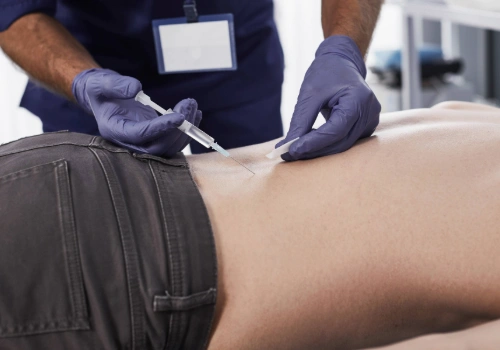
Joint injections deliver anesthetic and corticosteroid medication directly into the inflamed joint.
Benefits include:
- No incisions
- Minimal downtime
- Immediate reduction in inflammation
For patients hoping to delay or avoid surgery, injections can be an effective bridge treatment.
2. They Help You Get More Out of Physical Therapy
Severe joint stiffness can limit your ability to stretch, strengthen, and rebuild proper movement patterns.
Injections can provide enough pain relief to:
- Restore initial mobility
- Allow safer exercise
- Improve physical therapy outcomes
This is especially useful for knee arthritis, shoulder injuries, and low back/SI joint dysfunction.
3. They Can Treat Many Different Painful Joints
Doctors commonly use injections for:
- Knees
- Hips
- Shoulders
- Wrists & Elbows
- Sacroiliac (SI) joints
- Spine/lower back
Because they are targeted, injections relieve pain exactly where inflammation is occurring.
4. They Help Manage Chronic Conditions Like Arthritis
Injections are frequently used for conditions such as:
- Osteoarthritis
- Rheumatoid arthritis
- Tendonitis or bursitis
- Degenerative joint disease
While these treatments don’t reverse cartilage loss, they can significantly reduce pain and swelling during flare-ups.
5. The Procedure Is Fast and Image-Guided
Most injections take 15–30 minutes.
Your provider may use:
- X-ray (fluoroscopy)
- Ultrasound guidance
This ensures precise placement and maximizes relief.
6. Relief Can Begin Quickly
Many patients feel relief within minutes from the anesthetic, followed by deeper improvement over a few days as swelling decreases.
Results often last weeks to several months, depending on the condition and treatment type.
Targeted Treatment: SI Joint Pain
SI joint inflammation can cause lower back, hip, and buttock pain. Because oral medications often don’t reach the joint effectively, SI joint injections offer targeted relief.
- Performed under X-ray guidance
- Relief can last months
- Usually no more than 3 injections every 6 months
Targeted Treatment: Knee Pain
Knee injections can help with:
Osteoarthritis
Cartilage wear causes swelling and stiffness.
Rheumatoid arthritis
Autoimmune inflammation damages joint tissue.
Treatment options may include:
- Corticosteroid injections
- Prolotherapy (dextrose-based healing stimulation)
Both can decrease pain and improve movement.
Are Joint Injections a Permanent Fix?
In most cases, no—they’re one tool in a broader treatment plan.
Injections may:
- Provide temporary relief
- Reduce inflammation
- Delay or supplement surgical options
- Improve outcomes when paired with physical therapy
Your provider will help determine whether injections are part of a short-term solution or a long-term management plan.
Joint Pain Relief at BASS Medical Group
If joint pain is limiting your daily life, injections may help you move more comfortably again. Our board-certified Pain Medicine specialists evaluate your symptoms, review imaging, and create a personalized plan that may include injections, therapy, medication, or other non-surgical options.
Ready to feel relief? Schedule a consultation with a BASS Medical Group provider to discuss joint injections and other treatment options.

.webp)
.webp)
.webp)