
What Parents Should Know About Artificial Food Dyes and Children’s Health
Why Artificial Food Dyes Are Back in the Spotlight
Artificial food dyes have been used in processed foods for decades, primarily to enhance appearance. In recent months, they have re-entered public discussion as several states evaluate or enact new policies limiting certain dyes in school meals and food products.
These developments have renewed questions from parents about what artificial food dyes are, why they are used, and whether they may affect children’s health.
While regulatory approaches vary by state, the underlying goal across these discussions is consistent: improving long-term public health outcomes, especially for children.
What Are Artificial Food Dyes?
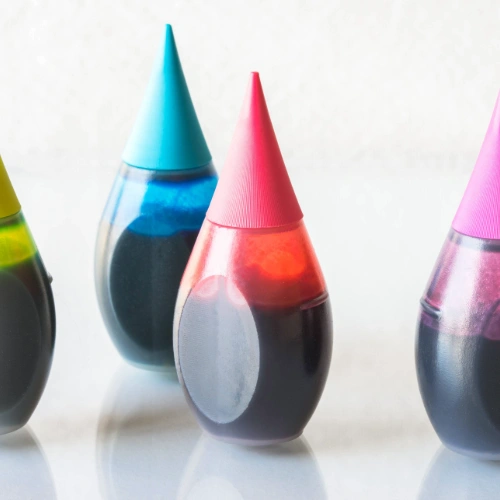
Artificial food dyes are synthetic color additives approved for use in foods and beverages under federal regulation. Common examples include:
- Red Dye No. 3
- Red Dye No. 40
- Yellow Dye No. 5
- Yellow Dye No. 6
- Blue Dye No. 1 and No. 2
These dyes are most often found in:
- Candies and desserts
- Sweetened beverages
- Packaged snacks
- Breakfast cereals
- Some medications and supplements
Why Some States Are Restricting Certain Food Dyes
In recent years, several states have taken steps to limit the use of certain artificial food dyes in school nutrition programs, reflecting growing attention to how food quality may affect children’s health and learning environments.
California’s Approach
In 2024, California passed the California School Food Safety Act (AB 2316), a first-in-the-nation law that restricts public schools from serving foods containing six synthetic food dyes. The legislation was informed by a report from the California Office of Environmental Health Hazard Assessment, which found that consumption of synthetic food dyes may be associated with hyperactivity and other neurobehavioral effects in some children.
Importantly, the law does not ban specific foods outright. Instead, it focuses on ingredient standards in school meals, encouraging manufacturers to reformulate products served in California schools. Similar to prior California food safety laws, policymakers noted that changes adopted in the state may influence broader national reformulation practices over time.
West Virginia and Other States
In 2025, West Virginia enacted legislation limiting the use of several artificial food dyes in school meals, with additional restrictions on certain additives scheduled to take effect in coming years. Other states have also introduced or considered similar measures, particularly in school settings, as part of broader efforts to improve childhood nutrition and public health outcomes.
How to Interpret These Actions
It is important to note that state-level restrictions do not necessarily reflect changes in federal approval status for these ingredients. Rather, they represent differing policy approaches to:
- School food standards
- Preventive public health strategies
- Ongoing scientific uncertainty and emerging research
These laws are not intended to diagnose, treat, or prevent medical conditions, but to reduce exposure to certain additives in specific settings while research continues.
What Does the Research Say About Health Effects?
Research on artificial food dyes has produced mixed findings, and experts continue to study their potential impact.
Some studies suggest:
- Certain dyes may be associated with increased hyperactivity or behavioral changes in some children, particularly those with existing sensitivities.
- Animal studies raised concerns about specific dyes, which previously led to restrictions in non-food uses, such as cosmetics.
A review by the California Office of Environmental Health Hazard Assessment concluded that synthetic food dyes may be associated with neurobehavioral effects in some children, though it did not establish direct causation.
Importantly, these effects:
- Do not occur in all children
- May depend on individual sensitivity and overall diet
- Are still being actively researched
What This Means for Parents
For families, this evolving landscape can feel confusing. From a practical standpoint, many pediatric and primary care providers encourage a balanced, cautious approach:
- Read ingredient labels when possible
- Limit highly processed foods, regardless of dye content
- Focus on whole and minimally processed foods
- Observe how individual children respond to certain foods
Eliminating artificial dyes is not required for good health, but reducing overall intake of ultra-processed foods may offer broader nutritional benefits.
How Healthcare Providers Approach This Topic
At BASS Medical Group, discussions about food dyes typically occur in the broader context of:
- Nutrition quality
- Behavioral health concerns
- Attention and learning challenges
- Overall dietary patterns
Rather than focusing on a single ingredient, providers aim to help families make informed, sustainable choices that fit their child’s needs and lifestyle.
Looking Ahead
Interest in artificial food dyes is likely to continue as states, researchers, and regulatory agencies evaluate emerging evidence. Policies may evolve over time, and recommendations may be refined as new data becomes available.
For parents, staying informed — without alarm — is key.
If you have concerns about your child’s diet, behavior, or nutrition, a conversation with your child's healthcare provider can help determine whether dietary changes are appropriate and beneficial.

.webp)
.webp)
.webp)