
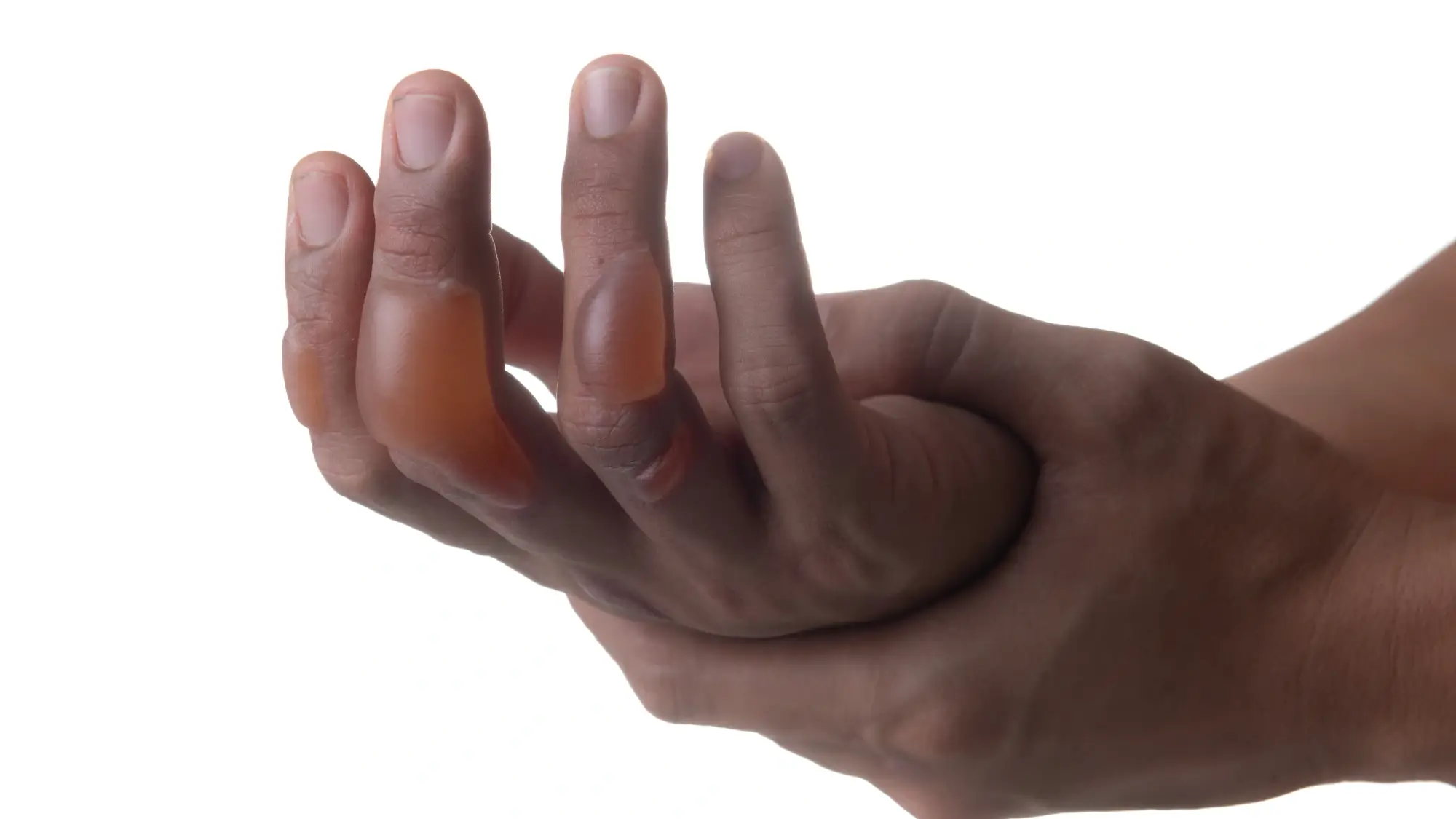
Should You Pop a Blister? When It’s Safe—and When It’s Not
Can You Pop a Blister? What Doctors Want You to Know
Blisters are common but painful. Whether from new shoes, a burn, or even an allergic reaction, many people wonder: Should you pop a blister? and Is it safe to drain it at home?
The short answer: Most blisters should not be popped. But in specific situations, draining a blister the right way can relieve pain and prevent worse problems.
Here’s how to know the difference and when you should call a doctor.
What Actually Causes a Blister?
Blisters form when friction, burns, or irritation separate the top layer of skin and trap fluid underneath. Common types include:
Friction blisters
From rubbing, usually on heels, toes, or palms.
Burn blisters
From heat, cold, steam, chemicals, or sunburns.
Allergic blisters
From poison ivy, nickel, latex, or insect bites.
Infection-related blisters
Caused by viruses or bacteria, such as:
- Herpes (cold sores)
- Chickenpox or shingles
- Impetigo
- Erythema multiforme (rare but serious)
Should You Pop a Blister?
Most of the time: No.
Leaving a blister intact:
- Protects the raw skin underneath
- Lowers infection risk
- Helps it heal naturally
But there are a few exceptions.
When It’s Safe to Pop or Drain a Blister
Doctors may allow safe draining only when ALL are true: It’s a friction blister AND It is large, painful, or in a spot that will definitely burst anyway.
Examples:
- Back of heel rubbing in shoes
- Blister on palm during work
- Blood blisters under high pressure
NEVER pop:
- Burn blisters
- Fever blisters (cold sores)
- Infectious blisters (shingles, chickenpox, impetigo)
- Blisters in people with diabetes, poor circulation, immune issues, or cancer
These conditions dramatically increase infection risk.
How to Drain a Blister Safely (If You Must)
If a friction blister is extremely painful and cannot be protected:
- Wash hands and blister with soap and water.
- Sterilize a needle with rubbing alcohol.
- Puncture the blister near the edge—not in the center.
- Gently press to drain fluid.
- Leave the blister skin in place (it acts as a natural bandage).
- Apply Vaseline or antibiotic ointment.
- Cover with a clean bandage.
Repeat dressing changes daily.
Never Drain These Types of Blisters
Burn blisters
Popping increases tissue damage and infection risk.
Fever blisters / cold sores
Highly contagious — popping spreads the virus.
Infection blisters
Fluid may spread bacteria or viruses.
Blisters in high-risk patients
People with diabetes, vascular disease, neuropathy, or weak immune systems should never drain blisters at home.
What If a Blister Pops on Its Own?
Do this immediately:
- Wash with soap and water
- Leave the flap of skin in place
- Apply Vaseline
- Cover with a bandage
- Watch for infection
Signs a Blister Is Infected (Call a Doctor Immediately)
- Increasing redness
- Warmth
- Pus
- Red streaks
- Fever
- Growing pain or swelling
How to Prevent Blisters
- Wear shoes that fit properly
- Use moisture-wicking socks
- Add moleskin or bandages to high-friction spots
- Use gloves for repetitive hand activities
- Keep skin dry during exercise
- Treat “hot spots” immediately before blisters form
When to See a Doctor
Seek medical care if:
- The blister shows signs of infection
- You have diabetes or circulation problems
- The blister came from a severe burn
- The blister keeps returning
- You aren’t sure what caused it
Get Expert Wound Care at BASS Medical Group
If you’re dealing with a painful blister, possible infection, or recurring skin issues, our Primary Care and Dermatology specialists can help you heal safely and quickly. Ask for an appointment today!

.webp)
.webp)
.webp)