
Can Non-Smokers Get Emphysema? Symptoms, Causes, and Risk Factors
Emphysema is commonly associated with smoking, but non-smokers can develop emphysema as well. While cigarette smoking remains the leading cause of this chronic lung disease, genetic conditions, environmental exposures, and certain medical factors can also damage lung tissue over time.
Understanding the symptoms, causes, and treatment options for emphysema in non-smokers can help you recognize early warning signs and seek care before lung damage becomes severe.
What Is Emphysema?
Emphysema is a progressive lung disease and one of the primary conditions classified under chronic obstructive pulmonary disease (COPD).
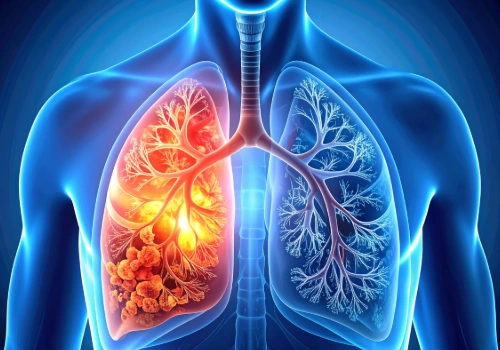
The condition occurs when the alveoli—tiny air sacs in the lungs responsible for oxygen exchange—become damaged. As these air sacs break down, the lungs lose elasticity and air becomes trapped, making it harder to breathe.
Over time, this damage reduces the lungs’ ability to deliver oxygen throughout the body. Many patients first notice symptoms such as shortness of breath during everyday activities, which may gradually worsen as the disease progresses.
Early diagnosis is especially important for non-smokers experiencing unexplained breathing problems, as treatment can help slow disease progression and improve quality of life.
What Causes Emphysema in Non-Smokers?
Although smoking is the most common risk factor, several other factors can contribute to emphysema in individuals who have never smoked.
Environmental Exposure
Long-term exposure to air pollution, chemical fumes, industrial dust, or workplace toxins can damage lung tissue over time.
Secondhand Smoke
Regular exposure to cigarette smoke from others can still affect lung health and increase the risk of emphysema.
Repeated Respiratory Infections
Frequent lung infections may lead to chronic inflammation and damage to the delicate structures within the lungs.
Genetic Conditions
One of the most significant genetic causes is Alpha-1 Antitrypsin Deficiency, a rare inherited disorder that affects the lungs’ ability to protect themselves from inflammation and damage.
Because these factors can develop gradually, many people may not realize they are at risk until symptoms begin to appear.
Symptoms of Emphysema
Emphysema typically develops slowly, and symptoms may not become noticeable until lung damage has already occurred.
Common symptoms include:
- Persistent shortness of breath, especially during physical activity
- Chronic cough or wheezing
- Increased mucus production
- Chest tightness or fatigue
- Frequent respiratory infections
In more advanced stages, some individuals may experience shortness of breath even while resting.
If these symptoms persist—especially without a clear cause like smoking—it is important to speak with a healthcare provider.
How Is Emphysema Diagnosed?
Doctors use several diagnostic tools to confirm emphysema and evaluate lung function.
These may include:
- Medical history and physical examination to review symptoms and risk factors
- Chest X-rays or CT scans to detect structural lung damage
- Pulmonary function tests to measure airflow and lung capacity
- Blood tests to evaluate oxygen levels and identify underlying conditions
In some cases, physicians may also perform an electrocardiogram (ECG) to rule out heart-related causes of shortness of breath.
Early diagnosis allows doctors to begin treatment sooner and helps patients better manage symptoms.
Treatment Options for Emphysema
While emphysema currently has no cure, treatment focuses on managing symptoms, slowing progression, and improving breathing.
Common treatments include:
- Bronchodilators to relax airway muscles and improve airflow
- Inhaled corticosteroids to reduce lung inflammation
- Antibiotics when respiratory infections occur
- Pulmonary rehabilitation programs that include breathing exercises and education
- Supplemental oxygen therapy for individuals with low oxygen levels
In severe cases, surgical options such as lung volume reduction surgery or lung transplantation may be considered.
Lifestyle Tips for Managing Emphysema
Lifestyle adjustments can play an important role in protecting lung health and improving quality of life.
Helpful strategies include:
- Avoiding exposure to smoke, air pollution, and chemical irritants
- Practicing good hygiene to reduce infection risk
- Staying physically active with a doctor-approved exercise routine
- Maintaining a balanced, nutritious diet
- Receiving recommended vaccinations, including flu and pneumonia vaccines
These steps can help support lung function and reduce the likelihood of complications.
When to See a Doctor
If you experience persistent shortness of breath, chronic coughing, or wheezing, it is important to seek medical evaluation—even if you have never smoked.
Early diagnosis of emphysema allows physicians to begin treatment sooner, which can significantly improve symptom control and long-term outcomes.
Expert Pulmonary Care at BASS Medical Group
At BASS Medical Group, our physicians specialize in diagnosing and managing chronic respiratory conditions, including emphysema and COPD.
Whether symptoms are related to smoking, environmental exposure, or genetic factors, our team provides personalized treatment plans focused on improving breathing, lung health, and overall quality of life.
If you are experiencing symptoms or have concerns about your lung health, schedule an appointment with a BASS Medical Group provider today.

.webp)
.webp)
.webp)