Varicose Veins
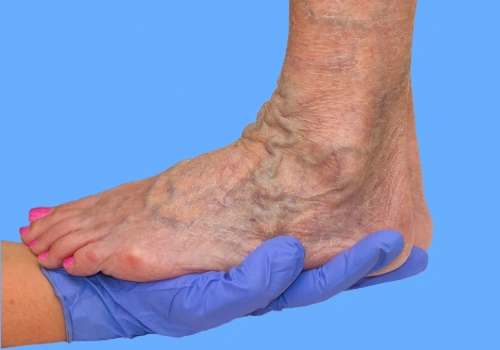
Varicose veins are enlarged, twisted veins that most commonly appear in the legs. They develop when vein valves do not function properly, allowing blood to pool rather than flow efficiently back to the heart.
Quick Facts
- Condition type: Vascular
- Common age group: Adults (risk increases with age)
- Treatable: Yes, often manageable with medical care
- Emergency: Rarely (urgent care if associated with sudden swelling, pain, or skin changes)
Symptoms
Symptoms can range from mild to bothersome and may include:
- Visible, bulging, or twisted veins
- Aching, heaviness, or throbbing in the legs
- Swelling in the lower legs or ankles
- Leg fatigue, especially after standing or sitting
- Itching or skin irritation around veins
- Skin discoloration or changes in more advanced cases
Some people have varicose veins without significant discomfort.
Causes
Varicose veins may develop due to:
- Weak or damaged vein valves
- Increased pressure in leg veins from prolonged standing or sitting
- Pregnancy or hormonal changes
- Family history of vein disease
- Aging-related changes in vein elasticity
- Obesity, which increases pressure on veins
Risk Factors
- Family history of varicose veins
- Increasing age
- Pregnancy
- Obesity
- Prolonged standing or sitting
- Hormonal changes
Treatments
Management depends on symptoms and severity and may include:
- Lifestyle measures, such as leg elevation, regular movement, and weight management
- Compression therapy, including medical-grade compression stockings
- Medical evaluation to assess vein function and circulation
- Minimally invasive vein treatments, when appropriate
- Ongoing monitoring for skin changes or complications
A specialist can recommend options based on individual needs.
When to Seek Care
You should seek medical evaluation if varicose veins:
- Cause persistent pain, swelling, or heaviness
- Are associated with skin changes or discoloration
- Lead to sores, ulcers, or bleeding
- Worsen over time or interfere with daily activities
Early evaluation can help prevent complications and guide treatment options.
Medical Disclaimer: This content is for general educational purposes only and does not replace professional medical advice, diagnosis, or treatment. Always consult a qualified healthcare provider about your symptoms or health concerns. If you are experiencing a medical emergency, call 911 or seek immediate care