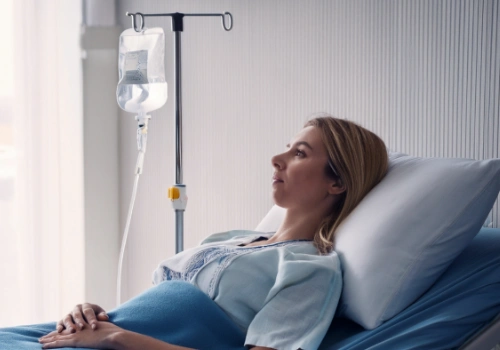
Sepsis
Sepsis is a serious medical condition that occurs when the body has an overwhelming and dysregulated response to an infection. This response can lead to widespread inflammation, tissue damage, and organ dysfunction if not treated promptly.
Quick Facts
- Condition type: Medical emergency / systemic infection
- Common age group: All ages (higher risk in older adults, infants, and people with chronic illness)
- Treatable: Yes, with prompt medical care
- Emergency: Yes (requires immediate medical attention)
Symptoms
- Fever or abnormally low body temperature
- Rapid heart rate or breathing
- Confusion, disorientation, or difficulty staying alert
- Extreme weakness or fatigue
- Low blood pressure
- Decreased urine output
- Chills or clammy skin
- Severe pain or discomfort
Causes
Sepsis develops when an infection triggers a widespread immune response. Common sources include:
- Lung infections (such as pneumonia)
- Urinary tract infections
- Abdominal infections
- Skin or wound infections
- Bloodstream infections
Both bacterial and, less commonly, viral or fungal infections can lead to sepsis.
Risk Factors
- Age 65 or older
- Weakened immune system
- Chronic medical conditions (diabetes, kidney disease, cancer)
- Recent surgery or hospitalization
- Use of invasive devices (catheters, IV lines)
- Severe or untreated infections
Treatments
Sepsis treatment is provided in a hospital setting and may include:
- Immediate medical evaluation and monitoring
- Intravenous antibiotics, when indicated
- IV fluids to support blood pressure and circulation
- Oxygen therapy or respiratory support, if needed
- Treatment of the underlying infection source
- Intensive care support in severe cases
Early treatment significantly improves outcomes.
When to Seek Care
Seek emergency medical care immediately if you or someone else has signs of infection along with:
- Confusion or difficulty staying awake
- Rapid breathing or heart rate
- Very low blood pressure
- Severe weakness or worsening symptoms
Sepsis is a medical emergency and should be treated as quickly as possible.
Medical Disclaimer: This content is for general educational purposes only and does not replace professional medical advice, diagnosis, or treatment. Always consult a qualified healthcare provider about your symptoms or health concerns. If you are experiencing a medical emergency, call 911 or seek immediate care