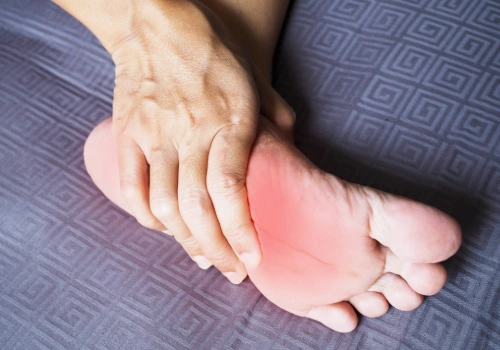
Plantar Fasciitis
Plantar fasciitis is a common foot condition that causes heel pain due to inflammation or strain of the plantar fascia, a thick band of tissue that supports the arch of the foot.
Quick Facts
- One of the most common causes of heel pain
- Pain is often worse with the first steps in the morning
- Can affect one or both feet
- Frequently related to overuse or foot mechanics
- Most cases improve with conservative treatment
Symptoms
Common symptoms of plantar fasciitis include:
- Sharp or stabbing pain in the heel
- Pain along the bottom of the foot
- Increased pain after rest or inactivity
- Heel stiffness, especially in the morning
- Pain that improves with movement but may worsen after activity
Causes
Plantar fasciitis occurs when repeated stress or strain damages the plantar fascia, leading to inflammation or degeneration.
Common causes include:
- Overuse from running, walking, or standing for long periods
- Tight calf muscles or Achilles tendon
- Poor foot mechanics or abnormal gait
- Inadequate or unsupportive footwear
- Sudden increases in physical activity
Risk Factors
You may be at higher risk for plantar fasciitis if you:
- Spend long hours standing or walking
- Are overweight or obese
- Have flat feet or high arches
- Wear worn-out or unsupportive shoes
- Engage in high-impact activities
Treatments
Treatment focuses on reducing pain, inflammation, and strain on the plantar fascia and may include:
- Rest and activity modification
- Stretching and strengthening exercises
- Supportive footwear or custom orthotics
- Ice therapy and anti-inflammatory medications
- Physical therapy
- Night splints
- Advanced treatments for persistent cases
When to Seek Care
See a doctor if heel pain persists for several weeks, worsens over time, or interferes with daily activities despite home treatment.
Medical Disclaimer: This content is for general educational purposes only and does not replace professional medical advice, diagnosis, or treatment. Always consult a qualified healthcare provider about your symptoms or health concerns. If you are experiencing a medical emergency, call 911 or seek immediate care