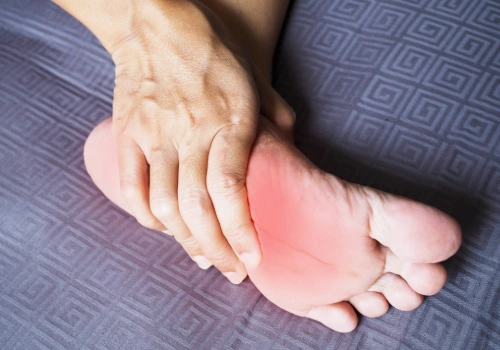
Neuropathy
Neuropathy is a condition caused by damage or dysfunction of the nerves, leading to symptoms such as numbness, tingling, pain, or weakness—most commonly in the hands or feet.
Quick Facts
- Neuropathy affects the peripheral nervous system
- Symptoms may develop gradually or suddenly
- Can be temporary or chronic, depending on the cause
- Diabetes is one of the most common underlying causes
- Early diagnosis can help slow progression and manage symptoms
Symptoms
- Numbness or reduced sensation
- Tingling or “pins and needles” sensations
- Burning or sharp nerve pain
- Muscle weakness
- Sensitivity to touch
- Balance or coordination problems
Causes
Neuropathy occurs when nerves are damaged or disrupted. Common causes include:
- Diabetes or poor blood sugar control
- Vitamin deficiencies, especially B vitamins
- Nerve compression or injury
- Infections
- Autoimmune or inflammatory conditions
- Exposure to toxins or certain medications
Risk Factors
You may be at higher risk for neuropathy if you:
- Have diabetes or metabolic disorders
- Have a history of nerve injury
- Consume excessive alcohol
- Have kidney disease or autoimmune conditions
- Are exposed to toxins or chemotherapy
Treatments
Treatment focuses on addressing the underlying cause and relieving symptoms. Options may include:
- Management of underlying conditions such as diabetes
- Medications to reduce nerve pain
- Physical or occupational therapy
- Lifestyle modifications and nutritional support
- Pain management strategies
- Ongoing monitoring to prevent complications
When to Seek Care
See a doctor if you experience persistent numbness, tingling, pain, weakness, or changes in sensation—especially if symptoms worsen or interfere with daily activities.
Medical Disclaimer: This content is for general educational purposes only and does not replace professional medical advice, diagnosis, or treatment. Always consult a qualified healthcare provider about your symptoms or health concerns. If you are experiencing a medical emergency, call 911 or seek immediate care