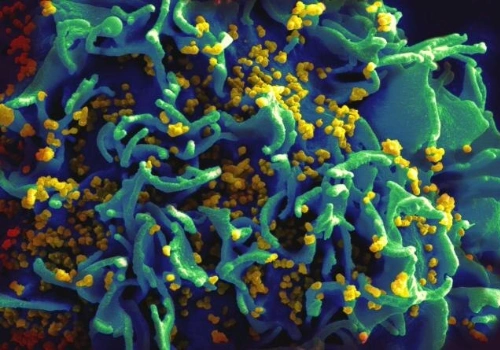
HIV and AIDS
HIV (human immunodeficiency virus) is a virus that attacks the immune system. If untreated, HIV can progress to AIDS (acquired immunodeficiency syndrome), the most advanced stage of the infection.
Quick Facts
- HIV is a manageable chronic condition with modern treatment
- AIDS is the advanced stage of untreated or poorly controlled HIV
- HIV is transmitted through specific body fluids, not casual contact
- Early diagnosis and treatment can prevent progression to AIDS
- People with well-controlled HIV can live long, healthy lives
Symptoms
- Fever or chills
- Fatigue
- Swollen lymph nodes
- Sore throat or rash
- Persistent infections
- Unexplained weight loss
- Night sweats
- Chronic diarrhea
- Neurologic or cognitive change
Causes
HIV is caused by infection with the human immunodeficiency virus, which weakens the immune system by attacking CD4 cells. Without treatment, ongoing immune damage can lead to AIDS.
HIV is transmitted through:
- Unprotected sexual contact
- Sharing needles or injection equipment
- Blood exposure
- Transmission from parent to child during pregnancy, birth, or breastfeeding
Risk Factors
People at higher risk for HIV include those who:
- Have unprotected sex
- Share needles or injection equipment
- Have multiple sexual partners
- Have a partner with HIV who is not virally suppressed
- Have limited access to preventive care or testing
Treatments
There is no cure for HIV, but effective treatment allows most people to live normal lives. Treatment options include:
- Antiretroviral therapy (ART) to control viral replication
- Regular monitoring of viral load and immune function
- Preventive care for opportunistic infections
- Ongoing primary and specialty care coordination
Early and consistent treatment can prevent progression to AIDS.
When to Seek Care
See a doctor if you believe you may have been exposed to HIV, experience persistent flu-like symptoms, or have not been tested and are at increased risk. Early testing and treatment are critical.