
Breast Cancer Recurrence: What to Expect If Breast Cancer Comes Back
Understanding Breast Cancer Recurrence
A breast cancer diagnosis is life-changing, and hearing that cancer has returned can be even more difficult. Breast cancer recurrence occurs when cancer comes back after initial treatment, despite surgery, radiation, or medication designed to remove or destroy cancer cells.
Recurrence does not mean treatment failed. In many cases, cancer cells remained dormant or undetectable for a period of time before becoming active again. Knowing what recurrence means and how it is managed can help patients feel more prepared and informed.
How Common Is Breast Cancer Recurrence?
Breast cancer recurrence does not happen to everyone, but it is possible. Studies show that approximately 20% to 30% of people diagnosed with early-stage breast cancer may experience recurrence at some point in their lives. The risk varies based on cancer type, stage at diagnosis, and treatment received.
What Is Recurrent Breast Cancer?
Recurrent breast cancer develops months or even years after treatment ends. It is categorized based on where the cancer returns:
- Local recurrence: Cancer returns in the same breast or chest wall
- Regional recurrence: Cancer appears in nearby lymph nodes
- Distant recurrence (metastatic breast cancer): Cancer spreads to other parts of the body, such as bones, liver, lungs, or brain
Understanding the type of recurrence helps guide treatment decisions.
Signs and Symptoms of Breast Cancer Recurrence
If you have previously been treated for breast cancer, it is important to pay attention to new or unusual symptoms. Contact your doctor if you notice:
- A new lump in the breast, chest, or underarm
- Changes in breast size, shape, or firmness
- Skin changes such as redness, dimpling, or thickening
- Nipple changes or unusual discharge
- Swelling or lumps in other areas of the body
- Persistent bone or back pain
- Shortness of breath or chronic cough
- Headaches or neurological symptoms
- Unexplained fatigue or weakness
- Yellowing of the skin or eyes
Early evaluation of symptoms allows for timely diagnosis and treatment.
How Recurrent Breast Cancer Is Diagnosed
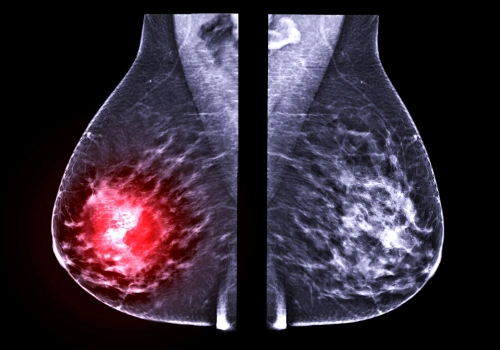
If recurrence is suspected, your care team may recommend imaging tests such as mammography, ultrasound, MRI, PET scan, or CT scan, along with a biopsy to confirm the diagnosis. Testing may also determine hormone receptor and HER2 status, which play a key role in treatment planning.
Treatment Options for Recurrent Breast Cancer
Treatment depends on where the cancer has returned, previous treatments, and individual health factors.
Surgical Options
- After lumpectomy: A mastectomy may be recommended if cancer returns in the same breast
- After mastectomy: Chest wall recurrence may be treated with surgery followed by radiation
Additional Therapies
- Radiation therapy to target remaining cancer cells
- Hormone therapy for hormone-receptor positive cancer
- Chemotherapy to treat cancer throughout the body
- Targeted therapy for HER2-positive breast cancer
- Immunotherapy in select cases
Treatment for Distant (Metastatic) Recurrence
When breast cancer spreads to distant organs, treatment focuses on controlling the disease, relieving symptoms, and maintaining quality of life. Options may include systemic therapy, targeted medications, and localized radiation or surgery to manage symptoms.
Emotional Impact and Long-Term Care
A recurrence diagnosis can feel like starting over, but many people continue to live full, meaningful lives with ongoing treatment and support. Staying connected with your healthcare team, maintaining follow-up care, and addressing emotional well-being are essential parts of long-term management.
Breast Cancer Recurrence Care at Gregory Rhodes MD Cancer Center
At Gregory Rhodes MD Cancer Center, part of BASS Medical Group, we provide advanced diagnostic tools, personalized treatment planning, and compassionate support for individuals facing breast cancer recurrence. Our multidisciplinary team of breast surgeons, oncologists, and care coordinators works closely with each patient at every stage of care.
If you have concerns about recurrence or new symptoms, schedule a consultation to discuss your options and next steps.

.webp)
.webp)
.webp)