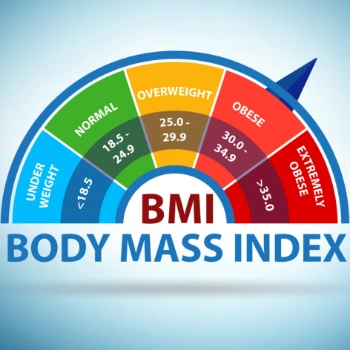
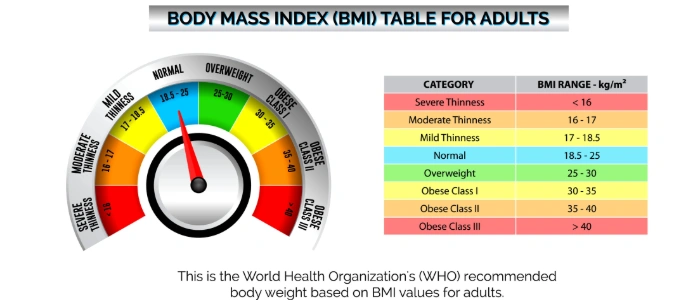
Body Mass Index (BMI) is a common tool used by healthcare professionals to estimate body fat based on a person’s height and weight. It helps categorize individuals as underweight, normal weight, overweight, or obese.
But while BMI is convenient and widely used, it has important limitations. On its own, BMI doesn’t always give a clear picture of your overall health.
What Is BMI Used For?
Healthcare providers often use BMI to:
- Screen for obesity-related health risks like heart disease, type 2 diabetes, and high blood pressure
- Track changes in weight over time
- Identify patients who may benefit from lifestyle or nutritional guidance
Why BMI Isn’t the Full Story
BMI does not account for differences in body composition, such as:
- Muscle vs. fat: Athletes may have a high BMI due to increased muscle mass—not excess fat
- Fat distribution: Two people with the same BMI may carry weight very differently, leading to different health risks
- Age and muscle loss: Older adults may have normal BMIs but low muscle mass, increasing their risk for falls or metabolic issues
Bottom line: BMI is just one piece of the puzzle.
Additional Health Measurements to Consider
To get a clearer picture of overall health, many physicians use these additional metrics:
1. Waist Circumference
Measures central fat and helps estimate risk of cardiovascular disease.
2. Waist-to-Hip Ratio (WHR)
Identifies abdominal fat linked to heart risk, even in people with a normal BMI.
3. Body Fat Percentage
Determines fat vs. lean muscle mass directly, which BMI cannot do.
4. Metabolic Panels
Blood tests that assess cholesterol, blood sugar, and organ function—key indicators of health.
Whole-Body Wellness at BASS Medical Group
At BASS Medical Group, our providers use BMI alongside advanced health assessments to deliver personalized care. Whether you’re trying to manage weight, reduce chronic disease risk, or simply feel better day to day, we’re here to help.
We offer:
- Primary care for routine and preventive health
- Bariatric medicine and surgery for patients with obesity-related health issues
- Nutrition and wellness programs tailored to your goals