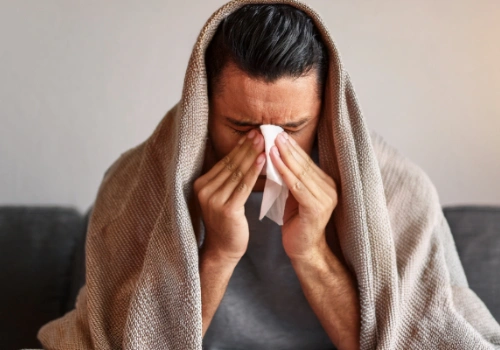
Sinus Infection
A sinus infection, also called sinusitis, occurs when the sinus cavities become inflamed or blocked, leading to pressure, pain, congestion, and difficulty draining mucus.
Quick Facts
- Sinus infections can be acute, subacute, or chronic
- Often develop after a cold or upper respiratory infection
- Can be caused by viruses, bacteria, or allergies
- Most acute cases improve within 10–14 days
- Chronic sinusitis may require specialty care
Symptoms
Symptoms of a sinus infection may include:
- Facial pain or pressure around the eyes, nose, or forehead
- Nasal congestion or blockage
- Thick nasal discharge (yellow or green)
- Headache
- Reduced sense of smell or taste
- Metallic taste in mouth
- Postnasal drip
- Fever or fatigue
Causes
Sinus infections occur when inflammation or blockage prevents normal sinus drainage. Common causes include:
- Viral upper respiratory infections
- Bacterial infections
- Allergies causing nasal swelling
- Nasal polyps or structural issues
- Deviated septum
- Environmental irritants
Risk Factors
You may be at higher risk for sinus infections if you:
- Have frequent colds or allergies
- Smoke or are exposed to secondhand smoke
- Have asthma
- Have nasal polyps or a deviated septum
- Have a weakened immune system
Treatments
Treatment depends on the cause and duration of symptoms and may include:
- Rest and increased fluid intake
- Nasal saline sprays or rinses
- Decongestants or antihistamines
- Pain relievers or fever reducers
- Antibiotics for certain bacterial infections
- Steroid nasal sprays or oral medications
- Referral to ENT for chronic or recurrent cases
When to Seek Care
See a doctor if symptoms last longer than 10 days, worsen after initial improvement, recur frequently, or are accompanied by high fever, vision changes, or severe facial swelling.
Medical Disclaimer: This content is for general educational purposes only and does not replace professional medical advice, diagnosis, or treatment. Always consult a qualified healthcare provider about your symptoms or health concerns. If you are experiencing a medical emergency, call 911 or seek immediate care