Seizures
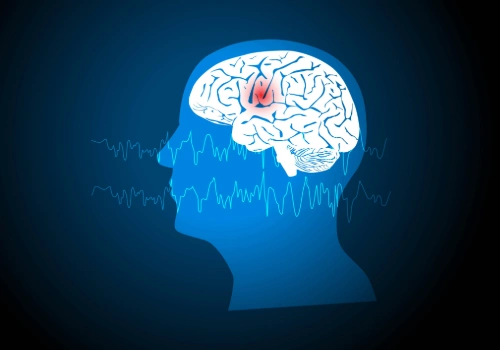
A seizure is a sudden surge of abnormal electrical activity in the brain that can cause changes in behavior, movement, awareness, or sensations.
Quick Facts
- Seizures can occur once or repeatedly
- Not all seizures involve convulsions
- Epilepsy is a condition characterized by recurrent seizures
- Seizures can affect people of all ages
- Proper diagnosis helps guide effective treatment
Symptoms
Seizure symptoms vary depending on the type and part of the brain affected. Symptoms may include:
- Temporary confusion or loss of awareness
- Uncontrolled jerking or shaking movements
- Staring spells
- Sudden muscle stiffness or limpness
- Changes in sensation, vision, or hearing
- Brief loss of consciousness
Causes
Seizures can occur for many reasons and may be triggered by underlying medical conditions or temporary factors. Common causes include:
- Epilepsy
- Head injury or trauma
- Stroke or brain injury
- Brain infections
- High fever (especially in children)
- Metabolic imbalances
- Withdrawal from alcohol or certain medications
Risk Factors
You may be at higher risk for seizures if you:
- Have a history of brain injury or stroke
- Have epilepsy or a family history of seizures
- Have infections affecting the brain
- Experience metabolic or electrolyte imbalances
- Use or withdraw from certain substances
Treatments
Treatment depends on the cause, frequency, and type of seizures. Options may include:
- Anti-seizure medications
- Treatment of underlying conditions
- Lifestyle modifications to reduce triggers
- Dietary therapy in select cases
- Surgical or device-based therapies for uncontrolled seizures
- Ongoing neurological monitoring
When to Seek Care
See a doctor after a first seizure, if seizures recur, worsen, or change in pattern, or if a seizure lasts longer than a few minutes. Seek emergency care for prolonged seizures, repeated seizures without recovery, or injury during a seizure.
Medical Disclaimer: This content is for general educational purposes only and does not replace professional medical advice, diagnosis, or treatment. Always consult a qualified healthcare provider about your symptoms or health concerns. If you are experiencing a medical emergency, call 911 or seek immediate care