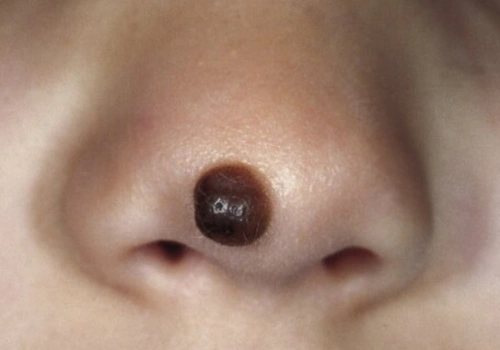
Moles & Skin Tags
Moles and skin tags are common, usually harmless growths on the skin. Moles are clusters of pigmented skin cells, while skin tags are soft, flesh-colored growths that often develop in areas of friction.
Quick Facts
- Most moles and skin tags are benign (non-cancerous)
- Moles can be present at birth or develop over time
- Skin tags commonly form in skin folds
- Changes in size, color, or shape should be evaluated
- Removal is often optional unless medically indicated
Symptoms
- Flat or raised skin spots
- Brown, black, or flesh-colored lesions
- Soft or slightly firm texture
- Skin tags may twist or move easily
- Irritation or bleeding if rubbed by clothing or jewelry
Causes
Moles and skin tags form due to different biological processes.
Moles may develop due to:
- Clusters of pigment-producing cells (melanocytes)
- Genetic factors
- Sun exposure
Skin tags may develop due to:
- Friction between skin surfaces
- Aging
- Hormonal changes
- Certain metabolic conditions
Risk Factors
You may be more likely to develop moles or skin tags if you:
- Have a family history of skin growths
- Have frequent sun exposure
- Are pregnant or experience hormonal changes
- Are overweight or have skin friction areas
- Have multiple existing moles
Treatments
Treatment depends on appearance, symptoms, or medical concern and may include:
- Clinical evaluation and monitoring
- In-office removal using simple procedures
- Biopsy if a lesion appears suspicious
- Counseling on skin protection and monitoring
Removal is typically quick and performed on an outpatient basis.
When to Seek Care
See a doctor if a mole or skin tag changes in size, color, shape, or texture, begins to bleed, becomes painful, or if you notice a new or unusual skin growth.
Medical Disclaimer: This content is for general educational purposes only and does not replace professional medical advice, diagnosis, or treatment. Always consult a qualified healthcare provider about your symptoms or health concerns. If you are experiencing a medical emergency, call 911 or seek immediate care