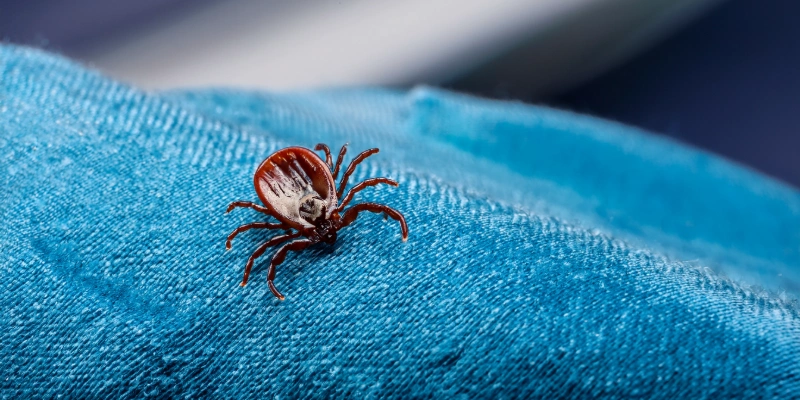
Lyme Disease
Lyme disease is a bacterial infection transmitted through the bite of infected ticks, most commonly affecting the skin, joints, heart, and nervous system if not treated early.
Quick Facts
- Caused by bacteria transmitted by blacklegged (deer) ticks
- Early treatment is highly effective
- Symptoms may appear days to weeks after a tick bite
- A characteristic skin rash is common but not always present
- Untreated Lyme disease can cause long-term complications
Symptoms
Symptoms of Lyme disease often occur in stages and may vary by person.
Early symptoms may include:
- Expanding skin rash (often bull’s-eye shaped)
- Fever or chills
- Fatigue
- Headache
- Muscle or joint aches
- Swollen lymph nodes
Later symptoms may include:
- Severe joint pain or swelling
- Nerve pain, numbness, or tingling
- Facial weakness
- Heart rhythm changes
- Memory or concentration difficulties
Causes
Lyme disease is caused by Borrelia bacteria transmitted through the bite of an infected tick. The risk of infection increases when a tick remains attached for an extended period.
Common exposure settings include:
- Wooded or grassy areas
- Outdoor recreation or work
- Areas with high tick populations
Risk Factors
You may be at higher risk for Lyme disease if you:
- Spend time outdoors in tick-endemic areas
- Live in or travel to regions with high tick activity
- Do not use tick prevention measures
- Have frequent exposure to wooded or grassy environments
Treatments
Lyme disease is typically treated with antibiotics, especially when diagnosed early.
Treatment options may include:
- Oral antibiotics for early-stage infection
- Intravenous antibiotics for more advanced cases
- Symptom management for lingering effects
- Follow-up care to monitor recovery
Prompt treatment greatly reduces the risk of complications.
When to Seek Care
See a doctor if you develop flu-like symptoms, a spreading rash, or joint pain after a tick bite or outdoor exposure—especially if symptoms persist or worsen.