
Do You Need a Tetanus Shot? Here’s What You Should Know
Tetanus—often called lockjaw—is a rare but serious illness that can cause painful muscle spasms, breathing problems, and life-threatening complications. The good news: tetanus is completely preventable with routine vaccination.
If you're unsure whether you need a tetanus booster or what actually puts you at risk, here’s what to know—and when to follow up with a BASS Primary Care provider.
What Is Tetanus?
Tetanus is caused by a toxin produced by Clostridium tetani, a bacterium found in soil, dust, and animal waste. When it enters the body through a break in the skin, the toxin affects the nervous system, causing:
- Severe muscle stiffness
- Painful spasms
- Difficulty swallowing or breathing
There is no cure once symptoms begin, which is why staying up to date on tetanus vaccines is essential.
How Do People Get Tetanus?
Tetanus doesn’t spread from person to person. Instead, bacteria enter the body through wounds such as:
- Deep cuts or puncture wounds
- Stepping on a nail
- Animal bites
- Burns or crush injuries
- Wounds contaminated with soil or feces
- Using non-sterile needles
Anyone who is unvaccinated or overdue for a booster is at higher risk.
Signs and Symptoms of Tetanus
Symptoms typically appear 3–21 days after exposure and often start around the jaw and neck.
Common symptoms include:
- Jaw stiffness or “lockjaw”
- Painful muscle spasms
- Neck, back, or abdominal rigidity
- Difficulty swallowing
- Trouble breathing or rapid heartbeat
- Fever or excessive sweating
Muscle spasms may worsen with sound, touch, or bright light.
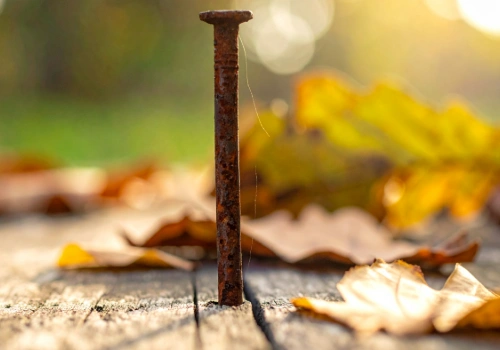
Do Rusty Nails Cause Tetanus?
Not exactly.
Rust itself doesn’t cause tetanus—but rusty or dirty surfaces often carry C. tetani bacteria found in the environment. The real risk is bacteria entering any open wound, regardless of rust.
When You Need a Tetanus Shot
Tetanus protection comes from the DTaP, Tdap, and Td vaccines.
Recommended schedule
- DTaP (children): 5 doses between 2 months and 6 years
- Tdap booster: Ages 11–12
- Adult boosters (Td or Tdap): Every 10 years
- Additional booster: If you have a high-risk wound and it’s been 5+ years since your last shot
Do You Need a Tetanus Shot After a Cut?
It depends on:
1. Your vaccination history
If you’ve had a tetanus shot within the past 10 years, you’re usually protected.
2. The type of wound
You may need a booster if the wound is:
- Deep
- Dirty or contaminated
- Caused by metal, splinters, or outdoor injuries
- From an animal bite
When in doubt, contact a medical provider—especially if you don’t remember your last tetanus shot.
Stay Protected with BASS Primary Care
Tetanus is preventable, but only if your vaccinations are current. If it’s been close to 10 years—or you aren’t sure—BASS Medical Group can help.
Our Primary Care team provides routine tetanus vaccines and boosters at multiple convenient Bay Area locations.
Don’t wait until an injury happens. Stay protected—schedule your tetanus booster with a BASS provider today.

.webp)
.webp)
.webp)