
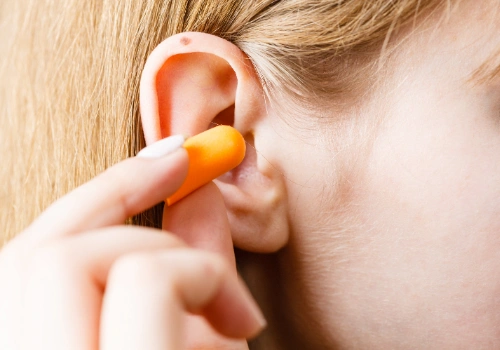
Should You Wear Ear Plugs at Concerts?
Attending a live concert can be unforgettable. The bass vibrating through the crowd, the energy of the venue, and hearing your favorite songs live are all part of the experience. But concerts can also expose your ears to dangerous sound levels that may cause permanent hearing damage.
If you are wondering whether you should wear ear plugs at concerts, the answer is yes. The right ear protection can help reduce your risk of hearing loss and tinnitus without ruining the music.
How Loud Are Concerts?
Most concerts range between 100 and 120 decibels (dB), and some performances can exceed 130 dB near speakers. For comparison, prolonged exposure to sounds above 85 dB can damage hearing over time.
Even short exposure to extremely loud music can affect the sensitive structures inside the inner ear.
Common Noise Levels Compared
The louder the environment, the less time it takes for hearing damage to occur.
Can Concerts Cause Permanent Hearing Loss?
Yes. Repeated exposure to loud concerts can lead to Noise-Induced Hearing Loss (NIHL), a permanent form of hearing damage caused by injury to the tiny hair cells inside the inner ear.
Concert-related hearing damage may cause:
- Ringing in the ears (tinnitus)
- Muffled hearing
- Difficulty understanding speech
- Sound sensitivity
- Permanent hearing loss over time
Many people notice temporary ringing or muffled hearing after concerts. While symptoms sometimes improve, repeated exposure increases the risk of lasting damage.
Do Ear Plugs Actually Help at Concerts?
Yes. Ear plugs significantly reduce sound exposure and lower the risk of hearing damage.
One study found that people who wore hearing protection during concerts were far less likely to experience temporary hearing loss or tinnitus afterward.
Benefits of wearing ear plugs at concerts include:
- Lower risk of hearing loss
- Reduced chance of tinnitus
- Less ear fatigue after shows
- Better long-term hearing protection
- Improved listening comfort in loud venues
High-fidelity ear plugs are especially popular because they reduce volume while preserving sound clarity.
A Famous Example: My Bloody Valentine’s Extremely Loud Concerts
The band My Bloody Valentine is well known for extraordinarily loud live performances, especially during the extended ending of their song “You Made Me Realise.”
Fans have reported concert sound levels exceeding 110 dB, with peaks reaching approximately 116 dB during certain performances according to attendee measurements shared online. At those levels, hearing protection becomes extremely important.
Many longtime concertgoers now consider musician ear plugs essential at louder rock, metal, and shoegaze shows where sustained high-volume sound exposure is common.
What Are the Best Ear Plugs for Concerts?
Not all ear plugs work the same way. Some mainly block sound, while others are designed to maintain music quality.
Custom musician’s ear plugs are often recommended for musicians, frequent concertgoers, DJs, and festival attendees.
Signs of Hearing Damage After a Concert
You should pay attention to symptoms that continue after leaving a loud event.
Possible signs of hearing damage include:
- Ringing in the ears
- Muffled hearing
- Ear pain or pressure
- Sensitivity to sound
- Trouble hearing conversations
If symptoms last longer than 24 hours, it is a good idea to schedule a hearing evaluation with an ENT specialist or audiologist.
When to See an ENT or Audiologist
At BASS Medical Group, our ENT and audiology teams evaluate and treat:
- Noise-induced hearing loss
- Tinnitus
- Ear pain and pressure
- Hearing concerns after loud noise exposure
- Custom musician’s ear plug fittings
Early evaluation may help identify hearing changes before they worsen.
Protect Your Hearing Without Missing the Music
You do not have to choose between enjoying concerts and protecting your hearing. The right ear plugs can lower harmful sound exposure while still allowing you to enjoy live music.
If you regularly attend concerts, festivals, clubs, or loud sporting events, hearing protection is one of the simplest ways to protect your long-term hearing health.
Schedule a hearing evaluation or ask about custom musician’s ear plugs with the ENT and audiology team at BASS Medical Group.
FAQ
Should you wear ear plugs at concerts?
Yes. Concerts frequently reach sound levels that can damage hearing. Ear plugs help reduce the risk of hearing loss and tinnitus.
Do ear plugs ruin concerts?
Not necessarily. High-fidelity ear plugs are designed to lower volume while maintaining music clarity and balance.
What type of ear plugs are best for concerts?
High-fidelity or musician’s ear plugs are generally the best option because they protect hearing without heavily muffling sound.
Can loud concerts cause tinnitus?
Yes. Loud noise exposure can trigger temporary or permanent tinnitus, which causes ringing or buzzing in the ears.
How long should ringing ears last after a concert?
Temporary ringing may improve within several hours, but symptoms lasting more than 24 hours should be evaluated by a medical professional.

.webp)
.webp)
.webp)